



How to Handle Aggression in Teens and Get Proper Support
As parents, we often learn to cope with challenging behaviors as our children transition into their teenage years. We know that teens are prone to experiencing social isolation, peer pressure, and so much more. And in many cases, difficult behaviors associated with growing up pass by quickly.
But there is one behavior that alarms many parents more than any other: violent behavior in adolescence.
With this in mind, how should you cope with teenage aggression in your home, safely and effectively?
If your child exhibits aggressive behavior, do your best to remain calm and get away from them to a safe place as quickly as possible. Let them know you’re available to talk after they have calmed down, but make it clear that you won’t tolerate violence.
Once immediate volatility has passed, coordinate help for psychological or environmental issues as soon as possible.
At Artemis Adolescent Healing Center, our Joint Commission-accredited treatment program offers robust and immediate help for physical and verbal aggression in teens. With our residential treatment center programs, as well as our outpatient support options, adolescents who are struggling find therapeutic interventions to address and assuage inclinations towards outbursts and violence.
Keep reading to learn more about how to handle this type of violent behavior at home and when to seek help, and remember our caring staff are only a confidential phone call away for immediate assistance.
Get Accredited Treatment Programs at Artemis
How Should I Handle Aggressive and Violent Behavior in Children and Adolescents?
One of the scariest experiences for parents is trying to help a child who has lost control. Teens can display physical aggression more often than many people think, but there’s still a stigma surrounding getting help when it comes to parental guilt.
Let’s be clear here: teenagers exhibiting violent behaviors do so for complex reasons, and moving past assigning blame will become the firm foundation for effectively addressing the issue.
With this understanding, we will focus on the symptoms and steps to be taken, here and now. If physical fighting is common in your home, these are trusty tips to help you manage it while seeking assistance as soon as possible.
Stay Calm when Adolescent Aggressive Behavior Begins
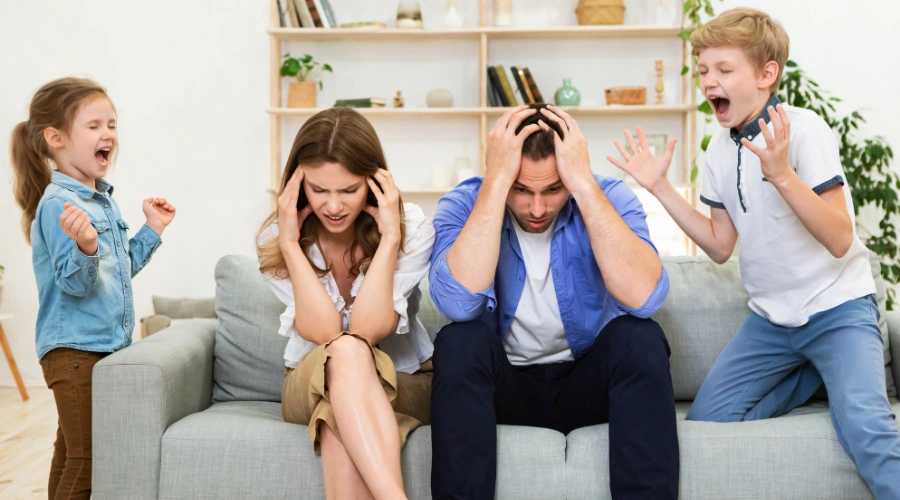
The first and most important thing you can do for relational aggression is to remain as calm as possible. Teenagers often thrive in chaotic circumstances, especially when their anger and aggression escalate. If you feed into their aggressive behavior, it will be harder for everyone to recover.
Instead, try to tap into your inner calm. Practice your own deep breathing exercises and never let on to how scared you might really be in these situations. Yoga and mindfulness exercises can be invaluable. You may want to work on coping skills with your own therapist when this becomes possible.
Create Space from Physical Aggression
When you can’t handle being in the same room as them without engaging in their behavior, then you may need to excuse yourself for a little while. Let them know that you want to support them, but that you need a little space right now and will return later.
Then, remove yourself and refuse to return to the area until you have calmed down. This might mean that you need to return to your own bedroom and lock the door behind you so your child can’t follow and continue engaging with you.
They might continue to bother you, knocking on the door and yelling. However, you will know that you are safe and can keep other children in the home safe this way as well. If a teen’s aggressive behavior continues after you leave and property destruction is a concern, you may use this brief break to call for a mobile crisis unit to come defuse the situation.
Should You Address Psychological Factors Contributing to Violent Behavior?
Overt aggression doesn’t just happen out of the blue. There are always risk factors that lead up to it, whether those are psychological or environmental factors. Many parents are tempted to get to the root of adolescent aggression in the heat of the moment, but this isn’t the time for therapeutic skills.
The best thing you can do for an out-of-control child is simply to validate their feelings. Let them know that you see their anger, distress, and frustration. You can reiterate that you’re available to talk to them when they calm down, but you won’t tolerate physical or verbal aggression.
In fact, you may not want to say much at all. Keeping your words to a minimum prevents your child from lashing out further as a result of what you say. They’ll often take any excuse to continue fighting.
If you believe that psychological factors need to be addressed immediately, then seek help. A mobile crisis unit can often come in and assess whether your child needs an evaluation or hospitalization to regain control.
How Can You Help Your Child with Their Mental Health Issues?

In almost every scenario with teenage aggression, there is something more behind it. Parents will have to get to the core issue of youth violence before they can start to handle the behavior. Here are some steps you can take to improve teen aggression in your home.
Eliminate Environmental Factors like Gang Involvement
The first and sometimes easiest thing you can do to eliminate physical fighting in the home is to get rid of the environmental factors that contribute. If your child is caught up in a circle of negative influences, as is often the case with gang membership, their antisocial behavior in the family can escalate this way.
Do what you can to give your child a fresh start when you notice their mental health declining. Don’t let them become a victim of a violent crime–or become a perpetrator of a violent crime.
This might mean keeping closer tabs on them, monitoring peer influences, and being more involved than they would like you to be for a while until they get back on solid ground.
Address Biological Factors in Oppositional Defiant Disorder and Other Issues
Of course, many causes of violent behavior start with biological factors that contribute to oppositional defiant disorder, conduct disorder, and more. These conditions have underlying causes that need to be addressed before you can effectively manage aggressive behavior.
Until the root cause is figured out, the family environment will continue to suffer from violent outbursts.
Artemis Adolescent Healing Center can address severe aggression in a safer environment. Our clinical team will monitor them for disruptive behavior, prevent any substance abuse that is furthering violence, and help you find new ways to manage youth aggression at home.
Moving Beyond Anger Management for Adolescents
For many teens exhibiting violent behavior, physical or sexual abuse could be an underlying cause. It might even be that family members are unaware of the abuse. This is an example of when your child might need something more than mere anger management.
Therapeutic interventions should take several risk factors into consideration: psychological factors that contribute to aggressive teens, bullying behaviors in secondary school students, and even issues with peers. In other words, it requires a holistic approach to comprehensive treatment.
At Artemis Adolescent Healing Center, we treat persistent aggression and aggressive adolescents with robust and comprehensive treatment options tailored to a family’s needs. All of our treatment plans are personalized to the unique individual and their developmental stage. We go beyond anger management to help heal inner conflict.
Should You Consider Inpatient Teen Anger Treatment Options?
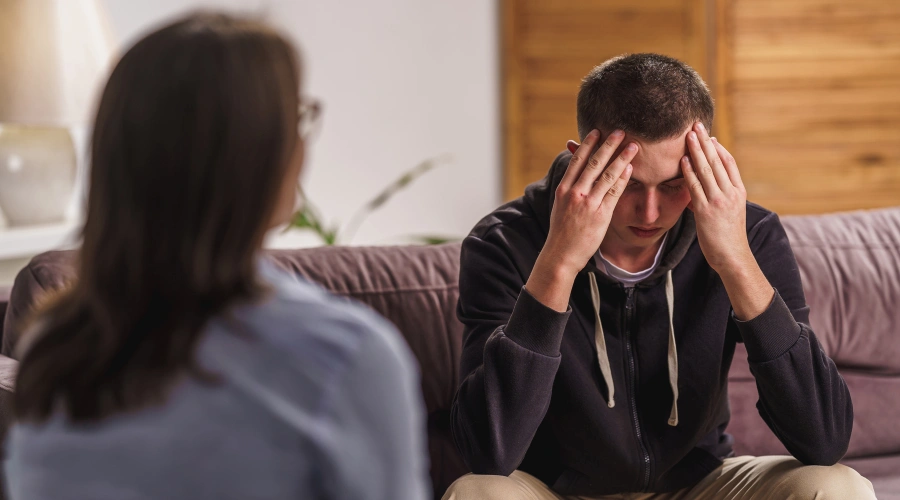
At some point, parents might have to consider that aggressive behavior won’t improve without mental health treatment. Uncontrollable anger requires emotional support for young adults and may require treatment for adverse childhood experiences like sexual abuse.
Residential treatment can be a great relief for families who worry about keeping everyone safe at home. Aggressive youths won’t risk physical assault while in treatment with us, effectively keeping them out of the juvenile justice system.
Inpatient treatment is more structured and can alleviate environmental concerns while promoting accountability. For example, our programs at Artemis offer a reprieve from violent media and violent video games during inpatient treatment. Taking part in residential programs will also take them away from youth gangs and school violence for a crucial respite.
Finally, a teen’s behavior is caused by subtle mental health issues that improve with prescription medication. We can monitor their reaction to these medications, adjust the dosages, and monitor their progress while they reside with us–all while you and your family members remain safe.
Up To 100% of Rehab Costs Covered By Insurance
Finding Hope and Healing for Your Child at Artemis Today
When you find that your family is at an increased risk of teen aggression that frightens you and the rest of your family, you need help. This type of aggressive behavior is very difficult to manage on your own at home and may not even be safe.
Artemis Adolescent Healing Center is here to offer professional assistance in a variety of formats.
We offer a comfortable, safe, JCAHO-accredited treatment center that can spot the warning signs of aggression and help with emotional regulation. Our child psychiatry team has the expertise your teen needs to navigate conflict resolution and manage anger effectively.
Our Admissions staff are ready and waiting to answer your questions about care, so please give us a call confidentially now!
References
- Gaynes BN, Brown C, Lux LJ, et al. Strategies To De-escalate Aggressive Behavior in Psychiatric Patients [Internet]. Rockville (MD): Agency for Healthcare Research and Quality (US); 2016 Jul. (Comparative Effectiveness Reviews, No. 180.) Introduction. Available from:
- Mulkey, M. A., & Munro, C. L. (2021). Calming the Agitated Patient: Providing Strategies to Support Clinicians. Medsurg nursing : official journal of the Academy of Medical-Surgical Nurses, 30(1), 9–13.
- Macfarlane A. (2018). Gangs and Adolescent Mental Health: a Narrative Review. Journal of child & adolescent trauma, 12(3), 411–420.
- Pardini, D. A., & Fite, P. J. (2010). Symptoms of conduct disorder, oppositional defiant disorder, attention-deficit/hyperactivity disorder, and callous-unemotional traits as unique predictors of psychosocial maladjustment in boys: advancing an evidence base for DSM-V. Journal of the American Academy of Child and Adolescent Psychiatry, 49(11), 1134–1144.
- Anjanappa, S., Govindan, R., Munivenkatappa, M., & Bhaskarapillai, B. (2023). Effectiveness of anger management program on anger level, problem solving skills, communication skills, and adjustment among school-going adolescents. Journal of education and health promotion, 12, 90.
- Pappadopulos, E., Woolston, S., Chait, A., Perkins, M., Connor, D. F., & Jensen, P. S. (2006). Pharmacotherapy of aggression in children and adolescents: efficacy and effect size. Journal of the Canadian Academy of Child and Adolescent Psychiatry = Journal de l’Academie canadienne de psychiatrie de l’enfant et de l’adolescent, 15(1), 27–39.