


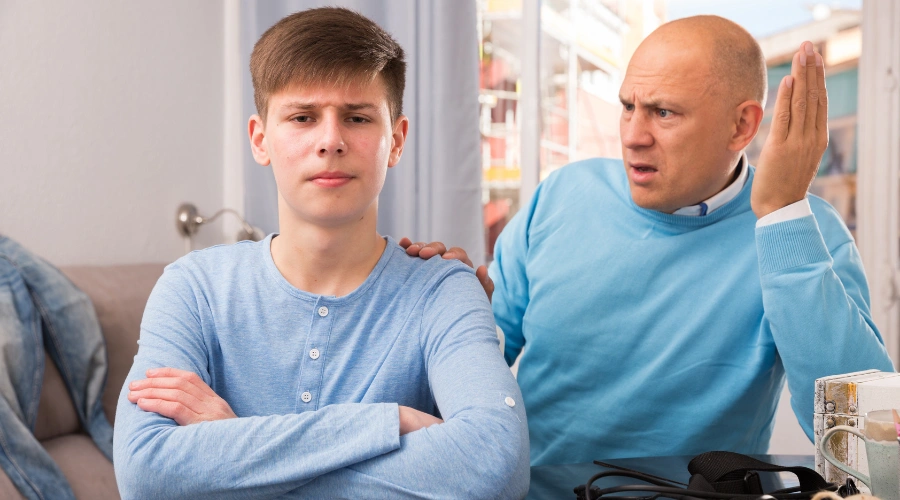
How to Approach Issues With a Passive-Aggressive Teen at Home
Your teen won’t always be clear when they’re feeling angry. But it’s not hard to sense the tension in small moments. This can take different forms, like quiet refusals, false promises to diffuse tension, or even sarcastic, hurtful comments.
As a parent, these behaviors leave you wondering what’s going on. Is this just who your teen is now? Or is it possible they need help?
Most teenagers aren’t acting passively-aggressively to defy their parents. Rather, it’s your teen having problems expressing emotions. They either don’t know how or they don’t feel safe. So, they choose to be indirect with their emotions instead. It comes out as passive aggression.
Passive aggressive behavior in teens is hard for even the most effective parents to deal with. And it can also be confusing and emotionally draining, especially when you don’t understand what’s happening underneath the attitude.
Artemis Adolescent Healing Center can help you find clarity and a path back to more positive behavior patterns for your child. And, equally importantly, we can help your teen get to the root of what’s wrong.
Keep reading to learn more about the adolescent passive aggressive person in your home, what to look for, and what forms of treatment are most effective.
Get Confidential Trauma and PTSD Assessment
What Does Passive Aggressive Behavior Look Like in Teens?
Passive-aggressive teens don’t yell, argue, and shout. Instead, they choose a less obvious way to express their feelings.
This looks like communicating with negative humor or snide remarks. They keep things brief, using one-word answers or responding with sarcasm. They might even give you the silent treatment, showing their unhappiness without saying anything at all.
It’s easy to mistake this for emotional manipulation, but your teen isn’t trying to make you feel bad. They are more likely worried they’ll disappoint you. Or, they might not feel that it’s safe to express negative emotions and so take passive aggressive actions instead.
How Do Excuse-Making and False Promises Play a Role?
Making false promises or excuses are other ways teen’s show passive-aggressive behavior. For example, when asked why they didn’t take out the trash or get their homework done, they might say, “I was just about to,” “I’ll do it later,” or “I forgot.”
This is an unhelpful pattern, but what does it mean underneath? Is your teen trying to be dishonest or disrespectful? Usually, the answer here is no.
It’s more likely your teen feels anxious or ashamed that they are struggling to do these things. Or, they might be afraid to fail. Instead of telling you how they’re feeling, they choose the indirect route. Passive-aggressive tendencies like false promises and excuses relieve tension in the moment.
How is Passive Aggression Different from Defiance or Anger?
Anger is often loud and visible. Defiance is also direct, usually arguing, refusing, or openly challenging authority. Passive-aggressive behavior in teens is much more subtle. Your teen stays calm as they resist your expectations.
This is what makes understanding passive-aggressive behavior, anger, and the difference between the two so important for parents. It shapes how you should respond.
If your teen’s behavior comes from defiance, firm boundaries are needed. Passive-aggressive communication, on the other hand, is more likely to benefit from guidance and compassion.
Responding in a more considered way can help reduce tension. You take away from your teen’s stress instead of adding to it.
What Causes Passive Aggressive Behavior in Teens?

A big reason for passive-aggressive behavior in teens is that your child is unsure of how to express their needs. This is completely normal.
The adolescent years are about development, especially emotionally. Your teen is taking big steps toward finding their identity.
This is the reasons when they feel powerless, misunderstood, or afraid of negative consequences, teens act passive-aggressively. Indirect communication feels safer than being honest about negative feelings.
Supporting your teen starts with knowing passive-aggressive behavior isn’t your kid being “bad.” It’s a sign your teen wants to avoid confrontation. Passive aggression can also be caused by underlying issues like mental health.
How Do Mental Health and Low Self-Esteem Affect Passive Aggressiveness?
If your teen is struggling with a mental health condition like anxiety, depression, or ADHD, it’s even harder to speak up. Instead, they feel overwhelmed by emotions. Passive-aggressive behavior is their way of making their feelings a little less intense.
Low self-esteem can also play a role. It makes your teen fear criticism. They get into the habit of hiding their feelings instead of practicing open communication.
Can Trauma or Stress Make Teens Express Anger Indirectly?
Yes, if your teen is under a lot of stress or if they’ve been through trauma, they might learn that indirectly expressing negative feelings is safer. They push them down instead of being assertive.
Like anything that is pushed down, however, this eventually bubbles over through indirect resistance, avoidance, and withdrawal. These passive-aggressive traits are a learned response that makes them feel safer.
In cases like these, trauma-informed care, like what we offer at Artemis Adolescent Healing Center, can help your teen rebuild emotional safety. Then they can learn assertive communication, a much healthier way of communicating.
What Are Effective Strategies to Manage Passive-Aggressive Behavior in My Teen?

As a parent, managing passive aggression has to start with a perspective shift. Think, what is your teen trying to communicate?
Your goal shouldn’t be to stop their feelings or push them down further. Instead, try to get your teen to open up.
Remain calm and focused on problem-solving, rather than punishing the issue. The more your teen feels understood and guided, the more likely it is that they’ll find emotional growth.
Why is it Important to Avoid Direct Confrontation?
When you react strongly to your teen’s passive-aggressive behavior, it reinforces the idea that sharing their emotions is unsafe. It can make them shut down or resist you more.
Instead, try a calmer approach. Use curiosity instead of accusation. This makes your teen feel safer opening up. One way you can do this is by saying things like, “I’ve noticed you are having a hard time. Can we talk about it?”
What Are Effective Communication Patterns for Dealing with Passive-Aggressive Behavior?
Another great strategy for managing your teen’s passive-aggressive behavior is effective communication. This starts with active listening.
Truly hear your teen, and let them develop their communication skills patiently.
Then, use reflective statements to connect with them. For example, “It sounds like you’re feeling overwhelmed.”
Avoid sarcasm, threats, or lectures when it’s your turn to talk. These strategies only drive a deeper wedge between you and your child. Instead, keep communication calm and respectful.
Although it can be hard, always strive to model the emotional regulation you want your teen to learn. Even though we all fall short at times, this is a good foundational approach for better communication with your child.
Get Accredited Treatment Programs at Artemis
What Boundaries Help Reduce Passive-Aggressive Behavior at Home?
In general, boundaries shouldn’t be seen as a restriction. In reality, they create emotional safety.
For kids (and adults, for that matter), boundaries are a clear blueprint of what behaviors are acceptable and what consequences come from making the wrong choice.
Reasonable boundaries often establish structure. For example, consistent routines, limits around technology, and expectations for school or chores. Boundaries work best when paired with warmth, and ideally should be protective, not punishing.
Why Is Setting Clear Expectations Important for Your Teenager?
Structure is especially important for teen development, and that starts with setting clear expectations. Boundaries and schedules teach your teen responsibilities and consequences without confusion.
They create predictability that helps reduce anxiety and power struggles, things very important for managing passive-aggressive teens.
Make these expectations realistic and consistent. They need to be enforced, but in a calm way. This creates space where your teen feels safer. Passive resistance naturally decreases as your teen feels more comfortable expressing their needs and emotions.
How Can Parents Model Healthy Emotional Expression?
Teens will deny it, but they really do learn from watching you. Practice healthy communication patterns yourself, so your teen knows what that looks like.
Express frustration calmly and apologize when needed. Your teen sees what emotional skills look like, and you don’t have to say a word.
It can also help to model vulnerability. Share deep feelings when appropriate, so that your teen sees direct communication is safe. They’ll learn over time that healthy expression is safe for them, too.
When Should I Consider Professional Help for Passive Aggression?
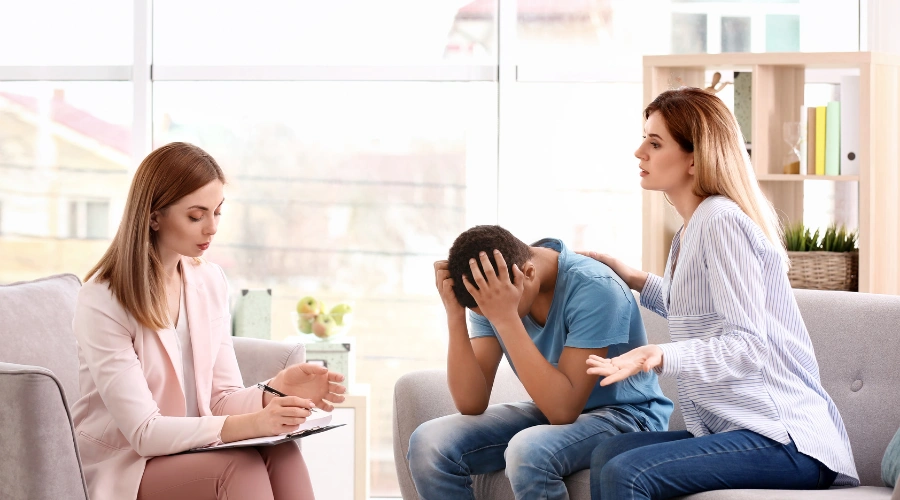
It’s true that passive-aggressive behavior can be normal for teens. This doesn’t mean that it doesn’t need support, though.
Is your teen’s behavior bad enough that it interferes with school? Are their relationships or safety suffering? These are signs that professional help may be warranted.
Other warning signs are your teen becoming extremely distant. Or, if you notice intense mood changes and extreme behaviors. Your teen might need help if they are lashing out through self-harm or substance use.
When you give your teen early support, patterns don’t become long-term struggles. It doesn’t mean that you’ve failed as a parent. Rather, it’s a sign you want to help your teen move toward healing.
What Happens if Passive Aggression Goes Unaddressed?
Without support, your teen’s passive-aggressive behavior continues into adulthood. It makes holding a job harder. Relationships won’t always be healthy, and their emotional health can suffer. This gets worse from ongoing frustration and isolation.
Once addressed, passive aggression becomes better communication. It’s a tool that makes your teen more confident and honest. They develop emotional resilience.
All these skills support your teen’s future well-being. Their usefulness goes far beyond the adolescent years.
When Does Passive-Aggressive Behavior Become a Mental Health Concern?
Passive-aggressive behavior in teens is a problem when it comes from somewhere deeper. Underlying issues like trauma, depression, and anxiety make emotions overwhelming. Your teen could be dealing with personality-related challenges.
In these cases, passive aggression isn’t the root issue. It’s a symptom of the underlying problem.
The only way to help with a mental health issue is through a comprehensive mental health evaluation. A professional can help you learn what your teen needs. From there, appropriate treatment can help teens express themselves better. This usually involves therapy.
How Can Family Therapy Help with Communication Skills and Setting Boundaries?

Families find a safe place in family therapy at Artemis. Your therapist can help recognize patterns in passive-aggressive teens. They can note family dynamics and how that may play a role.
From there, it’s easier to speak honestly and feel heard. This is as true for parents as it is for teens. Everyone learns to practice healthier communication and eventually rebuild trust.
Effective family therapy sessions also help parents set boundaries. As we touched on above, these should come from a place of caring instead of punishment. And for teens, there’s a chance to safely and directly express emotions.
One of the beautiful things about family therapy is that you are all working together. Healing becomes a shared process, not a burden on one person’s shoulders.
Up To 100% of Rehab Costs Covered By Insurance
Find Support for Your Teen at Artemis Adolescent Healing Center
It’s easy to feel discouraged when it seems like your teen’s new ‘default mode’ is silence, avoidance, or subtle resistance. They can feel distant and detached from you, which can make it hard to even recognize that they need help.
Once you see the signs, reach out to Artemis Adolescent Healing Center. We can help your family take steps away from passive-aggressive behavior and toward better communication and stronger relationships.
All calls are confidential, so please don’t hesitate to reach out now for more information and support options.
References
- Damour, L. n.d. 3 Ways You Can Help Your Teen Express Emotions: Expert Tips on How to Support Your Teen. Unicef Parenting.
- Perina, K. Aug 8 2021. 5 Traits of the Passive-Aggressive Teenager. Psychology Today.