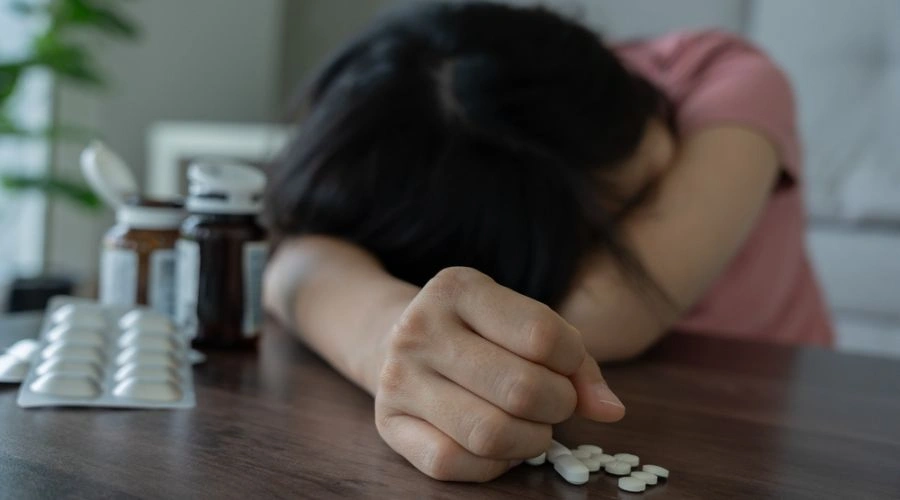
Pill misuse can involve taking medicine differently from a prescription, using someone else’s medication or taking a pill from an uncertain source. Assessment can clarify the substance involved, the pattern of use and any related mental health needs.
Artemis treats adolescent substance use and co-occurring concerns for ages 12-17. Admissions can discuss care options, family support and benefits, with medical stabilization arranged first when needed.
Medically Reviewed By

Dr. Roland Segal, a distinguished psychiatrist, holds the role of Medical Director and MD Psychiatrist at Artemis Adolescent Healing Center.
Accreditations & Licensing
 Maiden Voyage LLC · 6599 N Oracle Rd, Suite B, Tucson · PHP and IOP site record
 Maiden Voyage LLC · Tucson · Adolescent residential site record
Read our Privacy Policy to learn how information may be used or disclosed and how to contact us about privacy.
Admissions
Call Admissions 24/7
Help Your Child Overcome Prescription Abuse At Artemis
Early intervention is critical for teens facing pill addiction. By giving your child the skills they need to overcome substance use at a young age, they can avoid future consequences of misusing pills and other drugs. Not all treatment spaces are created equally.
As a parent, you want to choose a center where the providers care about your teen or adolescent just as much as you do.
Artemis Adolescent Healing Center is an ideal solution. We treat teen pill addiction and other forms of drug use to help youth in our programs build a foundation for long-term health and success.
Get Effective Treatment Programs at Artemis Today
Talking About Teenage Drug Use
General illicit-drug survey results do not measure pill misuse specifically. Explain the medication categories and assessed pattern of use instead of treating one broad percentage as a pill-addiction rate.
Misuse does not establish an inevitable progression to another substance. An assessment can identify current risks and the support needed now.
Similarly, teens and adolescents must have access to treatment when they need it. Artemis Adolescent Healing Center offers a full continuum of care for youth facing pill addiction and other forms of substance use so that your child can get the customized, comprehensive support they need.
Help for Teen Pill Misuse at Artemis

Artemis supports adolescents ages 12-17 with residential care in Tucson and Surprise and outpatient levels based in Tucson. Admissions can explain assessment and appropriate care options.
The Family Advocate can help coordinate school enrollment and communication with home schools. School planning also supports PHP families organizing work outside treatment hours.
Detox and Withdrawal Management
When you first stop using drugs and alcohol, the body goes through an adjustment period that can be difficult, leading to physical and emotional withdrawal symptoms. In some cases, withdrawal symptoms can be dangerous–for example, in some cases of benzodiazepine drug use.
Artemis does not provide on-site detox. When withdrawal requires medical management, partner services provide that care before the teen moves into ongoing treatment. The medical team determines timing and readiness.
Residential Pill Misuse Treatment for Teens in Arizona
Residential care provides a structured living setting and individualized behavioral health treatment in Tucson or Surprise. Therapy, recreation and family participation connect with the teen’s assessed goals.
This will include group sessions with other teens, family therapy, individual therapy sessions, recreation, and other activities.
Get Accredited Treatment Programs at Artemis
Partial Hospitalization Program for Teen Pill Addiction
PHP is based in Tucson, with program hours Monday-Friday, 9 am-3:30 pm. Teens live at home while attending structured daytime care.
Assessment considers whether the teen can manage safely outside program hours and what support is available. PHP can be a starting point or a transition from a higher level of care.
Intensive Outpatient Program for Teen Pill Addiction
IOP is based in Tucson, with program hours Monday-Friday, 4-7 pm. The care team explains the individual attendance plan.
Our IOP for teens can be a starting level of care, or it can help your child transition out of a higher level of care.
Outpatient Services and Aftercare Planning
Outpatient care can be a starting point or a next step after another program, based on assessment. Therapy, medication management or combined care can be selected around the teen’s needs.
Continued care planning helps connect the teen and family with support after a program. Parents who want follow-up can choose phone, text or email outreach.
Before your teen is done with their treatment program(s) at Artemis, we will help them create an aftercare plan that will support their ongoing recovery and overall mental health in everyday life.
Match treatment to the assessed needs
Artemis provides residential treatment in Tucson and Surprise and PHP, IOP and outpatient appointments based in Tucson. Teens may enter outpatient care directly when assessment indicates that level is appropriate.
Outpatient options include therapy only, medication management only or combined care. If detox is required, Artemis works with partner services before ongoing treatment; timing depends on the individual medical needs.
Types of Pill Addiction Affecting Teens
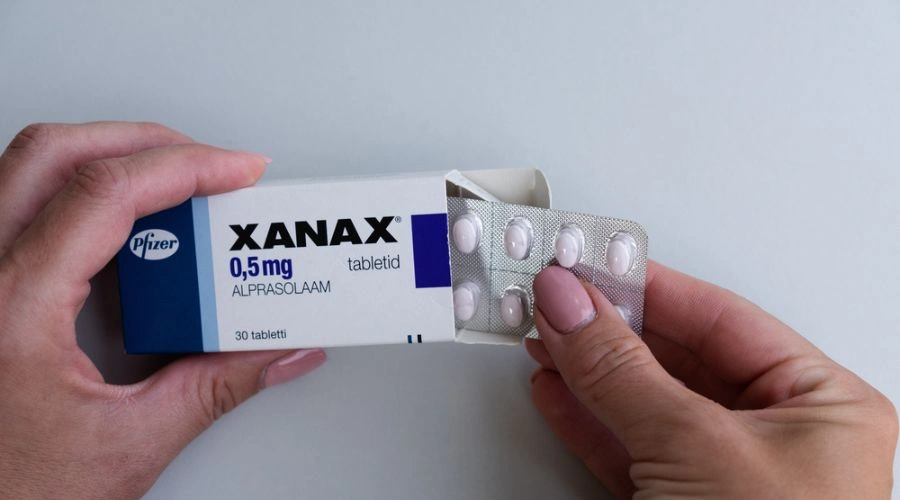
Pill addiction can involve various types of drugs.
Some teens with pill addiction may use more than one of the following types of drugs.
Prescription Medications or Pills
Teens who misuse prescription drugs may use:
- Opioids, like Vicodin, OxyContin, or Oxycodone.
- Benzodiazepines, like Xanax, Klonopin, or Ativan
- Stimulants, like Adderall or Ritalin
Prescription medicines have legitimate medical uses and should be taken only as prescribed. Misuse is different from appropriate treatment under a prescriber’s care.
Over the Counter Medications
Teens who have problems with drugs and alcohol often use the substances they have access to.
In some cases, teen drug abuse may involve over-the-counter medications like cough syrup and anti-diarrheal tablets like loperamide, which is an opioid that is designed not to enter the brain.
Know what the pill is and where it came from
Share the medicine name, packaging, source and what your teen reports taking with the evaluating clinician. A pill obtained outside a licensed pharmacy may not contain what its appearance suggests.
FDA warns that counterfeit medicines may contain incorrect ingredients or strengths, including harmful substances. Appearance alone should not be used to decide that a pill is safe.
Bring clarity to a pill-use concern
- Medicine
What product or pill is involved?
- Source
Prescription, pharmacy or uncertain source?
- Pattern
How is it being used?
- Care
What assessment and support are needed?
Risk Factors for Teen Drug Abuse
Anyone can develop a substance use disorder. However, there are risk factors for substance abuse among youth that may be applicable. These include:
- Family history. People who have a family history of addiction are at a greater risk of developing a drug or alcohol use disorder themselves.
- Trauma and adverse experiences. Traumatic or stressful experiences–especially adverse childhood experiences–are linked to an increased risk of addiction. We provide trauma-informed care for teens facing addiction.
- Co-occurring mental health conditions. Sometimes, teens and young adults facing substance abuse will have co-occurring mental health conditions. Our programs treat dual-diagnosis disorders in teens to promote better treatment outcomes.
- Problems at school. Low academic performance and lack of school connectedness are both linked to drug or alcohol use in teens.
Peer pressure and other factors, like access to illicit substances, can also play a role in teen drug abuse and pill addiction. It is important that addiction in teens is not stigmatized so that adolescents and young adults can get the help they need.
Health Risks and Teen Pill Abuse
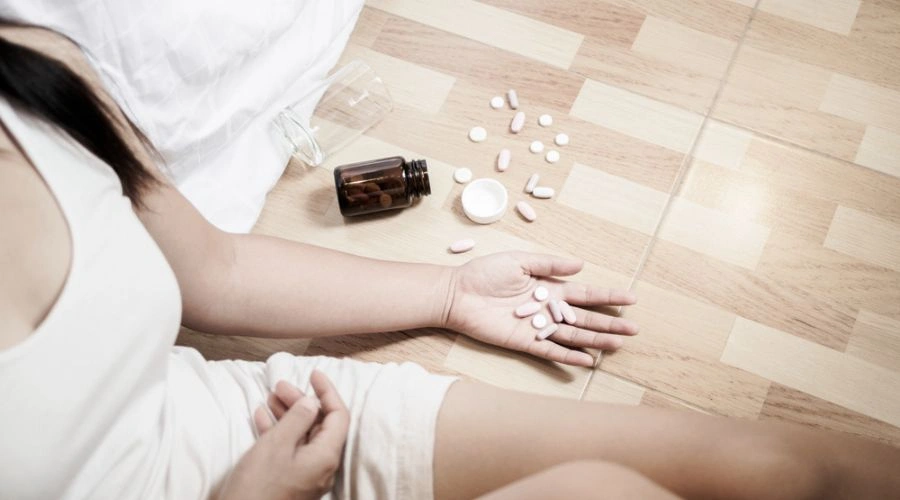
Alongside legal issues and other consequences, like problems at school, there are many possible health risks that can stem from the misuse or abuse of pills as a teen. These may include but are not limited to the following.
- Addiction and dependence. While not everyone who experiments with substances in their youth develops a substance use disorder, research shows that teens who use substances can be particularly vulnerable to substance use disorders in adulthood.
- Overdose. Taking an unknown pill, mixing substances or taking medicine differently from its directions can cause serious harm.
- Physical health risks. Long and short-term physical health risks, like an increased likelihood of accidents or injury, brain damage, gastrointestinal distress, liver problems, and cardiovascular issues, can occur in teens who are misusing pills.
- New or worsened psychiatric symptoms. Although some teens may use pills to self-medicate, drug and alcohol abuse can actually worsen psychiatric symptoms or cause new and unfavorable mental health symptoms.
- Other substance use. An assessment can explore whether more than one substance is involved and how that changes the care plan.
Teen substance abuse can also be linked to high-risk behavior, like unsafe sex. Treatment can help your child avoid the health risks associated with teen pill addiction. If your teen has encountered legal issues or related challenges as a result of drug use, we can help.
Call Artemis Adolescent Healing Center for Help With Teen Drug Use
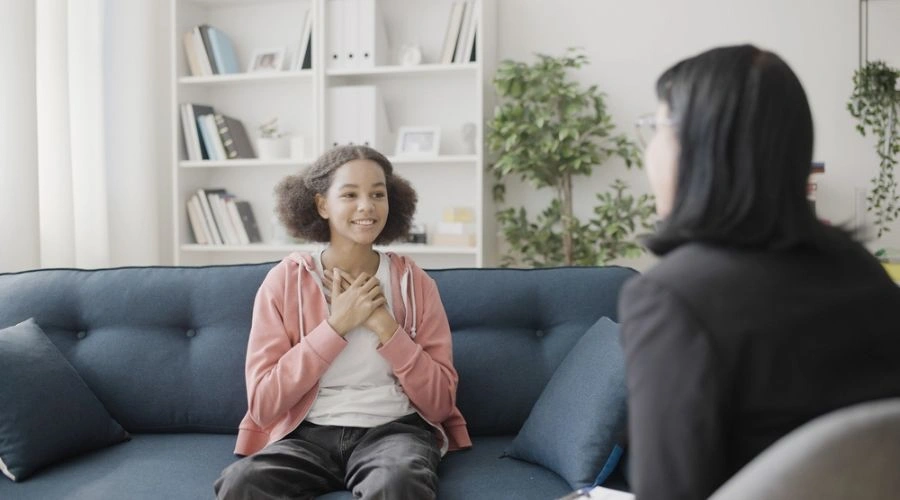
Artemis Adolescent Healing Center is a substance abuse and mental health treatment center for teens and adolescents in Arizona. Our programs involve the whole family and use safe, evidence-based practices for substance use and mental health disorders in youth.
Call Admissions 24/7 at (520) 614-8647 to discuss care options and confirm your child’s benefits.
Many Forms of Insurance Accepted for Treatment
FAQs Regarding Teen Pill Addiction
What is considered a pill addiction?
A substance use disorder involves an assessed pattern of use that causes significant problems. Taking a medicine as prescribed, physical dependence and addiction are not interchangeable terms.
Tell the evaluating clinician what is being taken, how it is used and what has changed in daily life. The assessment guides the next step.
What is the number one drug used by teens?
Statistics from the Substance Abuse and Mental Health Services Administration (SAMHSA) National Survey on Drug Use and Health 2023 suggest that alcohol, nicotine vaping, and marijuana are some of the most common forms of substance abuse in teens.
Some teens may pair these with pills in some cases. Pairing pills with other substances can be dangerous and increases the risk of overdose.
When to Seek Emergency Help
Artemis does not provide emergency medical care through this website. If a teen may be in immediate danger, has attempted suicide, is unresponsive, has trouble breathing, may have overdosed, or is experiencing a seizure or other life-threatening symptoms, call 911 or go to the nearest emergency department. For suicide or emotional-crisis support in the United States, call or text the 988 Suicide & Crisis Lifeline. Do not use this page or an online form for an emergency.
References
- National Library of Medicine. (2025, May 30). Prescription drug misuse. MedlinePlus. MedlinePlus: Prescription drug misuse
- Pediatrics: ADHD stimulant treatment and later substance use
- NIDA: Over-the-counter medicines
- CDC: Substance use among youth