

Teen rehab costs vary with the level of care, services provided and length of treatment. Your family’s estimate also depends on insurance benefits, deductibles, copays, coinsurance and any services the plan does not cover.
Call Artemis at (520) 614-8647 for an individualized discussion of treatment costs and current payment options. Our team can help review the proposed care and available benefit information before you decide on next steps.
Medically Reviewed By

Christina Vignery began her career as a registered respiratory therapist, and has since had extensive experience in adolescent treatment modalities.
Accreditations & Licensing
 Maiden Voyage LLC · 6599 N Oracle Rd, Suite B, Tucson · PHP and IOP site record
 Maiden Voyage LLC · 16330 N Forecastle Ave, Tucson · Adolescent residential site record
Read our Privacy Policy to learn how information may be used or disclosed and how to contact us about privacy.
Admissions
Accepting Admissions 24/7
Resources on the Cost of Treatment for Adolescents Across Levels of Care
When your teen needs treatment, cost is an important part of the decision. Artemis Adolescent Healing Center can help you discuss care options, review available insurance information and understand estimated family costs.
Call our admissions team at (520) 614-8647 with your questions. This guide explains:
- What affects teen treatment costs.
- How to review insurance benefits for proposed care.
- Questions to ask about payment options.
If you are worried about paying for care, start with a conversation. You can ask about costs and current payment options before deciding on treatment.
Discuss Teen Treatment Costs and Payment Options
How Much Does Teen Rehab Cost in Arizona?
Teen rehab costs vary with the services provided, level of care and length of treatment. Published rehab cost estimates cover different programs and time periods, so an individualized estimate is more useful when planning care at Artemis.
What is the Cost of Adolescent Outpatient Treatment?
Outpatient costs depend on the type of program, its schedule and the services included. Ask admissions about the proposed treatment and how your benefits may apply so you can understand estimated costs for your family.
What is the Cost of Residential Treatment for Teens?
Residential care includes living at the treatment center along with structured treatment and support. Ask for an estimate based on the recommended services and length of care, and which costs may be included or billed separately.
Review Insurance Benefits for Teen Treatment
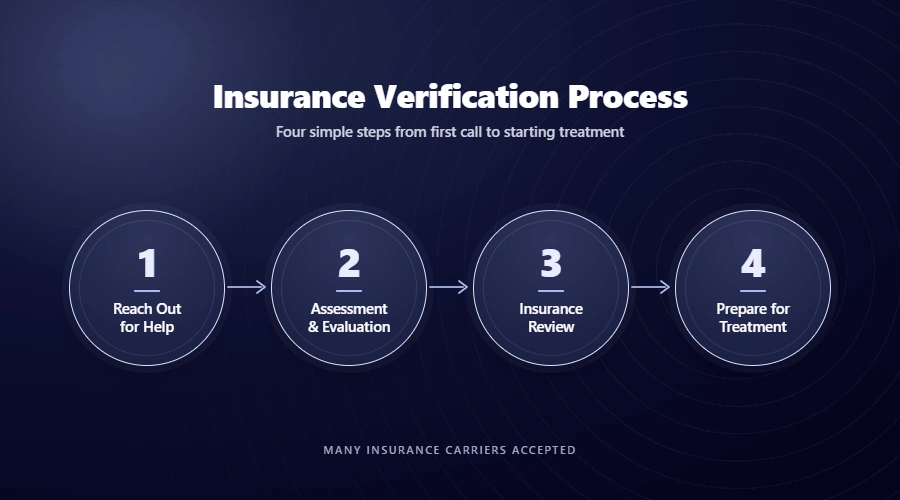
Our admissions team can help request benefit information for the services being considered. Your plan, any required approvals and your teen’s treatment needs all affect the estimate.
Have your teen’s insurance card ready when you call. We can explain the information available, any deductible, copays or coinsurance, and the next steps needed to review the proposed care.
A benefits review gives you an estimate to plan around. Your insurer determines coverage and payment, and admission also depends on clinical fit and program availability.
For questions about a specific plan, explore these benefits guides:
- Aetna benefits guide
- Blue Cross Blue Shield benefits guide
- Cigna benefits guide
- Optum benefits guide
Discuss Payment Options and Financial Assistance
If you do not have insurance or are concerned about costs your plan may leave for you to pay, tell our admissions team. We can discuss the payment options currently available for your circumstances.
Questions to Ask Before Making a Payment Decision
Ask what the estimate includes, when payments would be due and what could change the total. If a payment arrangement is available, review its terms before agreeing to it.
If you are exploring outside scholarships, grants or other assistance, check the organization’s eligibility rules, application process and whether its funds can be used for the proposed treatment.
What Factors Influence Teen Rehab Pricing in Arizona?

All rehab centers have different treatment costs. They can vary dramatically. Outside of that, how much people pay for teen rehab often depends on factors such as the following.
Type of Health Insurance Plan
Your plan may share eligible treatment costs through benefits, deductibles, copays and coinsurance. A review of the specific policy helps estimate what your family may owe for the recommended services.
Level of Care
Residential care, PHP, IOP and outpatient therapy involve different services and schedules. Ask about the price of the recommended program and what is included, rather than comparing program names alone.
Length of Stay
Length of care affects the total cost, but the appropriate duration depends on your teen’s needs and progress. The care team can discuss treatment goals, ongoing review and continuing support as part of an individualized plan.
Talk with Artemis About Teen Treatment
Choosing Artemis for Teen Treatment Program Support
Artemis Adolescent Healing Center was built on clinical excellence. Insurance coverage and cost aside, here are just a few reasons families choose us.
Continuum of Care
Artemis Adolescent Healing Center offers multiple levels of care. Treatment options include:
- Residential treatment. Residential programs provide 24/7 support and supervision. Teens live on-site at our center. They’ll engage in individual and group therapy and other activities according to their treatment plan until they’re ready to enter a lower level of care.
- Partial hospitalization programs (PHP). Provides highly structured, daily therapy without requiring teens to live on-site. PHP can function as an alternative to, or a step down from, residential treatment.
- Intensive outpatient program (IOP). Treatment sessions meet a few hours per day, a few days per week. Teens in IOP can more easily balance everyday life (e.g., school) with this form of addiction treatment and/or mental health treatment.
- Outpatient and aftercare. Follow-up care and ongoing therapy (e.g., 1-2 days per week) for clients leaving a higher level of care is the typical client at our traditional teen outpatient rehab.
A teen may start in residential or outpatient care and move to a different level as their needs change. The clinical assessment and ongoing review guide that process.
Dual Diagnosis Treatment for Teens with Co-Occurring Disorders

Many teens facing addiction have one or more co-occurring mental health conditions or behavioral disorders. Common co-occurring mental disorders in youth with substance use disorders include:[3]
- Depression.
- Bipolar disorder.
- Personality disorders.
- Anxiety.
- Attention deficit hyperactivity disorder (ADHD).
- Post-traumatic stress disorder (PTSD).
- Conduct disorder.
- Eating disorders.
When we treat addiction in teens, we provide compassionate care for co-occurring mental health issues and neurodevelopmental disorders like ADHD.
Called dual diagnosis treatment, this approach supports whole-person well-being and positive recovery outcomes.
A Supportive, Trauma-Informed Environment
Trauma-informed care is an approach to treatment. It avoids retraumatization, prioritizes a client’s strengths, and shifts the focus from “what’s wrong with you?” to “what happened to you?” and “what helps you?”
We provide empowering, ethical mental health and addiction treatment for teens. Our providers are trauma-informed with a wide variety of unique backgrounds and areas of specialty.
Family Involvement and Transparency
You’ll be involved in your teen’s treatment at Artemis. If your teen is in residential rehab at our center, you will be able to visit them. We strongly recommend participation in family therapy sessions when viable.
Ask questions about the treatment plan and cost estimate before moving forward. Our team can discuss what is included and explain any information or decisions still pending.
Highly Personalized, Evidence-Based Treatment
Whether your teen is getting help for drug and alcohol addiction and/or other mental health challenges, they will get a personalized treatment plan at Artemis. We use the most up-to-date, evidence-based therapies. For example:
- Behavioral therapies, such as dialectical behavior therapy, cognitive behavioral therapy, and acceptance and commitment therapy.
- Trauma-focused therapies.
- Experiential therapy and activities (e.g., art therapy, exercise, outdoor activities).
- Mindfulness-based therapies.
- Motivational therapies.
- Family therapy.
We have healthcare providers on staff who can handle medication management, if applicable.
What Happens After Insurance Verification? Next Steps in the Admissions Process

A pre-intake conversation lets you explain your teen’s needs and ask about our programs. You can discuss care options while benefit information or approval decisions are still being reviewed.
Once we have more information and you are ready to move forward, we’ll schedule a comprehensive intake evaluation. This will include a medical exam and in-depth verbal interview.
If admission is appropriate and the necessary arrangements are in place, our team can discuss a start date and help your family prepare, including what to bring for a residential stay.
Ask About Treatment Costs and Next Steps
Contact Artemis to Discuss Teen Treatment and Costs
Artemis Adolescent Healing Center is a leader in teen behavioral health treatment. Located in Tucson, we work with substance abuse and a broad range of mental health concerns affecting teens and adolescents.
Our team can explain available programs, answer questions about staff qualifications and discuss estimated costs for the care being considered.
Call (520) 614-8647 to speak with admissions about your teen’s needs, insurance questions and current payment options.
References
- Average cost of drug rehab [2026]: By type, state & more. NCDAS. (2024, May 2). https://drugabusestatistics.org/cost-of-rehab/
- Proctor, S. L., & Herschman, P. L. (2014). The continuing care model of substance use treatment: What works, and when is “enough,” “enough?” Psychiatry journal. https://pmc.ncbi.nlm.nih.gov/articles/PMC4007701/
- Köck, P., Meyer, M., Elsner, J., Dürsteler, K. M., Vogel, M., & Walter, M. (2022, February 24). Co-occurring mental disorders in transitional aged youth with substance use disorders – A narrative review. Frontiers in psychiatry. https://pmc.ncbi.nlm.nih.gov/articles/PMC8907594/