

Many Aetna insurance plans help cover adolescent behavioral health and substance use treatment at Artemis Adolescent Healing Center in Tucson, Arizona. Under the Affordable Care Act, mental health and substance use disorder services are classified as essential health benefits, requiring Aetna to provide at least partial coverage.
Depending on your specific policy (such as a PPO or HMO) and medical necessity, benefits typically apply to services ranging from residential and inpatient care to outpatient programs and therapy. To assist families, Artemis provides a fast, confidential insurance verification process to review plan-specific benefit information, authorization requirements, and estimated out-of-pocket costs before enrollment. Benefits and final payment decisions remain subject to Aetna’s plan terms and determinations.
Medically Reviewed By

Christina Vignery began her career as a registered respiratory therapist, and has since had extensive experience in adolescent treatment modalities.
Accreditations & Licensing


All information shared with our team is protected under HIPAA. We will never share your personal information without your written consent.
Admissions
Accepting Admissions 24/7
Program Statistics
Aetna Coverage of Residential Teen Treatment Programs and Outpatient Rehab for Teens
If you are asking, “Does Aetna cover teen rehab in Arizona?” you are probably trying to make a fast, important decision for your child.
The short answer is yes, many Aetna plans can help pay for teen rehab, mental health treatment, and substance use care in Arizona.
The longer answer depends on your specific insurance plan, your teen’s clinical needs, and the type of program you are seeking.
Our resources from Artemis Adolescent Healing Center delve into the answers and details below, and we are always only a confidential call away for immediate support.
Find Accredited Adolescent Treatment Programs at Artemis
Quick Answer: Using Aetna for Teen Rehab at Artemis in Tucson, Arizona
Many Aetna insurance plans help cover teen rehab and behavioral health care in Arizona, including care at Artemis Adolescent Healing Center in Tucson. Artemis accepts most major insurance providers and works with major insurance providers such as Aetna to help families understand coverage before treatment begins.
Your Aetna insurance coverage for rehab will depend on the type of policy you have, such as HMO, PPO, EPO, employer-sponsored coverage, or another health insurance plan. Coverage also depends on medical necessity, meaning Aetna must agree that the recommended level of adolescent treatment is clinically appropriate for your teen’s symptoms and safety needs.
Aetna plans typically cover a range of behavioral health services when clinically appropriate, including residential treatment, inpatient treatment, partial hospitalization programs, an intensive outpatient program, individual therapy, group therapy, family counseling, psychiatric services, and medication management.
Under the Affordable Care Act, many health plans include mental health and substance use disorder services as essential health benefits. The services covered and the amount paid still depend on the specific Aetna plan, network status, medical necessity, authorizations, exclusions, and applicable law.
Artemis can verify your Aetna insurance coverage for teen rehab in Arizona, typically within minutes and confidentially, by phone or secure online form. Starting the insurance verification process does not mean your teen has to enroll. It simply gives your family clearer coverage details and a better idea of possible out-of-pocket costs.
Understanding Aetna Behavioral Health Coverage for Teens in Arizona

Aetna is a large insurance provider offering behavioral health benefits for families across Arizona, including Tucson, Phoenix, and surrounding communities. Arizona families may have Aetna insurance through employer-sponsored health plans, ACA marketplace plans, student policies, or other private health insurance options.
Coverage for teen mental health and substance abuse treatment under Aetna can vary significantly based on the specific insurance plan, including the types of services and levels of care available. One family’s Aetna plans may cover residential care with a coinsurance requirement, while another family’s policy may have different deductibles, copays, or limits.
A few terms are important to keep in mind:
| Term | What it means for parents |
| Deductible | What you pay before the insurance company starts paying for many services |
| Copay | A flat fee for a covered visit or service |
| Coinsurance | A percentage of the cost you pay after the deductible |
| Out-of-pocket maximum | The most you pay for covered care in a plan year |
| Preauthorization | Approval that may be needed before higher levels of care |
| Medical necessity | A clinical decision that treatment is needed for safety, stabilization, or recovery |
Insurance coverage is subject to the determination of medically necessary treatment by treatment facilities and insurance reviewers, often using clinical assessment tools for evaluation. Aetna may use behavioral health criteria such as LOCUS or CALOCUS/CASII for teen mental health care decisions, and Aetna publishes information about behavioral health medical necessity guidelines.
Aetna behavioral health benefits often apply to mental health disorders such as depression, anxiety, post-traumatic stress disorder, bipolar symptoms, and other mental health conditions. They may also apply to behavioral health disorders and concerns such as school refusal, self-harm risk, crisis intervention needs, substance misuse, and emotional dysregulation.
The federal Mental Health Parity and Addiction Equity Act (MHPAEA) requires insurance providers to cover behavioral health and addiction treatment at the same level as standard medical and surgical care.
Arizona also tracks parity compliance through the state Department of Insurance and Financial Institutions, which provides information on mental health parity reporting. Before starting teen treatment, have your Aetna ID card handy and contact Artemis admissions to clarify behavioral health benefits.
What Types of Teen Rehab and Behavioral Health Services Will Aetna Typically Cover?

Aetna insurance coverage for adolescent treatment can span several treatment options, depending on your teen’s diagnosis, safety needs, and plan rules.
Aetna may cover both outpatient and residential treatment options for teens, but the extent of coverage will depend on the individual policy and whether the treatment is deemed medically necessary.
At Artemis and similar Arizona treatment centers, covered treatment services may include:
- Residential treatment for 24/7 support in a therapeutic setting
- Partial hospitalization programs, often called PHP or day treatment
- Intensive outpatient program care for teens who need structure but can live at home
- Outpatient services such as individual therapy, talk therapy, family therapy, and medication follow-up
- Group therapy focused on coping skills, relapse prevention, emotional regulation, and peer support
Aetna’s coverage for mental health services includes structured outpatient and day treatment programs designed specifically for adolescents. Aetna provides coverage for various types of mental health and substance use treatment for adolescents, including structured outpatient and day treatment programs.
Intensive Outpatient Programs (IOP) provide step-down care requiring a few hours of therapy per day, 3 to 5 days a week. This level of care may be appropriate after residential care or PHP, or when a teen needs more support than weekly outpatient therapy.
Aetna covers a variety of evidence-based therapies for addiction and mental health treatment, including Cognitive Behavioral Therapy (CBT) and Dialectical Behavior Therapy (DBT). Artemis uses evidence-based therapeutic interventions such as cognitive behavioral therapy, dialectical behavior therapy skills, dialectical behavioral therapy-informed support, trauma-informed care, and family-based work.
Many Aetna plans also cover psychiatric evaluation, psychiatric services, and medication management when provided by licensed mental health professionals. Parents can always ask Artemis how services are billed to Aetna, because the services provided may be covered under a program rate, a daily rate, or separate behavioral health services.
Does Aetna Cover Residential Teen Rehab at Artemis Adolescent Healing Center?
Many Aetna insurance plans do cover medically necessary residential treatment for teens when intensive, 24/7 behavioral health care is required for safety and stabilization.
Residential treatment provides 24/7 professional care in a therapeutic environment, allowing teens to focus entirely on their mental health without the distractions of daily life, which is crucial for those with severe mental health conditions.
It helps to understand the difference between inpatient treatment and residential treatment. Inpatient treatment typically involves a short-term stay in a hospital setting, providing intensive care for individuals experiencing severe mental health crises, while residential treatment offers a longer-term, structured environment focused on recovery and rehabilitation.
Depending on the specific plan and medical-necessity review, Aetna benefits may include inpatient or residential treatment. These levels of care serve different purposes; inpatient care is often for immediate stabilization, whereas residential treatment is designed for ongoing support and recovery.
Coverage for residential teen rehab in Arizona often depends on clinical criteria such as:
- Suicidal ideation or self-harm risk
- Severe mood instability
- Unsafe behavior at home or school
- Chronic skipping of school or other forms of absenteeism
- Failed outpatient treatment attempts
- Co-occurring substance use disorders
- Need for ongoing supervision and crisis stabilization
Prior authorization is typically required before admitting a patient into inpatient, residential, or partial hospitalization level of care by insurance providers. Aetna may require clinical documentation from a psychiatrist, therapist, pediatrician, or other treatment provider. Artemis can support parents or loved ones in obtaining the required forms or paperwork here.
Aetna may approve residential care in stages. Clinical justification is required for residential treatment stays that extend beyond 30 days for insurance coverage. Artemis’ admissions team routinely works with Aetna case managers to submit updates, request continued stay, document medical necessity, and help maximize covered days for families.
Co-Occurring Disorders, Substance Use, and Behavioral Issues: How Aetna Handles Complex Teen Cases

Many teens in Arizona struggle with more than one issue at the same time. A teen may have depression and alcohol addiction, anxiety and cannabis use, PTSD and self-harm behaviors, or ADHD with oppositional or risky behavior.
Dual diagnosis treatment provides simultaneous coverage for individuals experiencing both addiction and co-occurring mental health conditions. Aetna recognizes the importance of treating co-occurring mental health and substance use disorders in adolescents, often providing coverage for integrated treatment approaches.
At Artemis, comprehensive adolescent treatment may combine individual therapy, group therapy, family therapy, medication management, relapse prevention, and psychiatric support when appropriate. Aetna may cover medically-assisted treatment (MAT) for substance use disorders, which combines medication with therapy to support recovery.
Some teens need stabilization before therapy can begin. Medical detoxification involves supervised withdrawal management to stabilize individuals before they transition to active therapy. If detox is clinically necessary, Artemis can help families understand appropriate next steps and coordinated care options.
Aetna often recognizes group therapy and family sessions as core parts of effective co-occurring care when billed correctly. Artemis’ clinical team documents diagnoses, functional impairment, and medical necessity in language that aligns with Aetna behavioral health guidelines, which can help support continued insurance coverage.
Get Fast and Free Insurance Verification at Artemis
In-Network vs Out-of-Network: Using Aetna Insurance Plans for Teen Rehab in Tucson
For Aetna insurance plans, in-network means the treatment provider has a contract with Aetna for covered services. In-network providers usually cost less for families because negotiated rates, copays, and coinsurance are often more favorable.
Out-of-network providers do not have the same contract with your insurance carrier. Some PPO insurance plans may reimburse part of out-of-network teen rehab costs in Arizona, but HMO or EPO plans often cover only in-network care except in limited situations. Out-of-network benefits may also come with separate deductibles, higher coinsurance, or more paperwork.
Parents can check whether Artemis Adolescent Healing Center is in network with their specific Aetna plan by contacting Artemis admissions. The team can help compare potential out-of-pocket costs between in-network and out-of-network scenarios before your family commits to treatment.
If Artemis is the clinically appropriate choice for your teen, families may also ask Aetna about network exceptions or single-case agreements. These are not guaranteed, but they may help when local options are limited or a specific treatment program is recommended.
Will Aetna Cover Group Therapy and Family Therapy for Teens at Artemis?

Group therapy and family therapy are central parts of teen mental health treatment. Teens often heal more effectively when they learn skills with peers and when caregivers are included in the process.
Many Aetna plans provide coverage for group therapy, which is considered one of the most effective forms of adolescent treatment support when clinically appropriate. Many Aetna plans cover group therapy as part of structured programs like Partial Hospitalization Programs (PHP) and Intensive Outpatient Programs (IOP), which are effective for adolescent mental health treatment.
At Artemis, group therapy may include DBT skills groups, social skills groups, process groups, relapse prevention groups, and coping skills practice. Families should ask Artemis whether Aetna will cover group therapy as part of residential treatment, PHP, IOP, or another structured outpatient level of care.
Family therapy is frequently covered because Aetna recognizes the importance of parents and caregivers in behavioral health care for adolescents. Artemis may use family counseling to improve communication, safety planning, boundaries, and long-term support at home.
What Does Teen Rehab Cost with Aetna Insurance in Arizona?
Exact costs vary by Aetna plan, diagnosis, level of care, and length of stay. Artemis can provide individualized estimates after insurance verification, including whether private pay options, payment plans, HSAs, or FSAs may help with costs not covered by Aetna.
Families may be responsible for:
- Deductibles
- Daily copays for residential care
- Coinsurance percentages
- Medication-related costs
- Non-covered services or amenities
- Out-of-pocket costs until the out-of-pocket maximum is met
For example, an Arizona family with an Aetna PPO plan might meet a deductible first, then pay a percentage of residential or IOP costs through coinsurance. In-network inpatient care may require a coinsurance rate for adolescent treatment stays depending on the specific insurance plan.
After an Aetna plan’s out-of-pocket maximum is met, the plan may pay 100% of eligible in-network covered services for the rest of the plan year; non-covered and out-of-network charges may still apply. Families often ask how much Aetna will pay before admission, but the answer depends on the coverage details, network status, and approved level of care.
Before admission, we can help review annual or lifetime limits on behavioral health, separate mental health deductibles, and whether any part of the recommended treatment services is excluded.
How to Verify Aetna Coverage for Teen Rehab at Artemis in Tucson
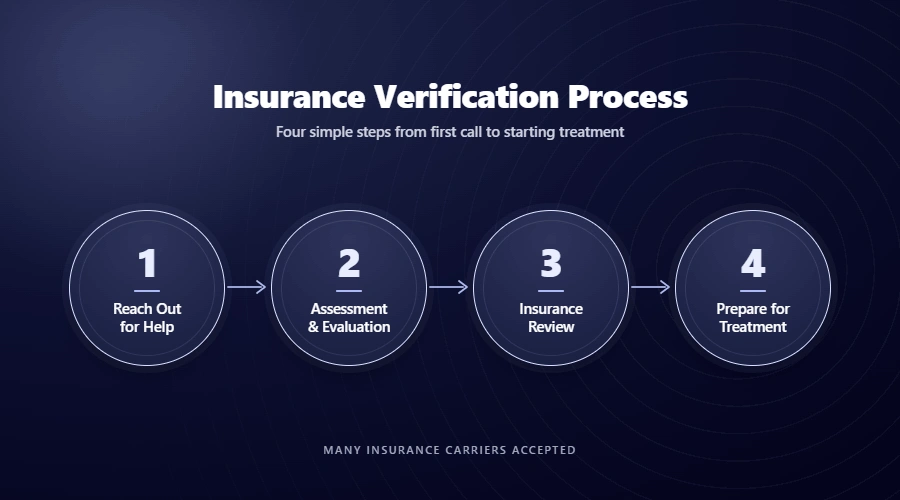
Verifying your Aetna insurance benefits is essential to understand the level of coverage you will receive for treatment, as it can vary significantly based on your specific policy.
The good news is that Artemis can make the insurance verification process easier.
- Gather your information. Have your Aetna insurance card, identification, policyholder name, teen’s date of birth, and details of any past mental health treatments ready to facilitate the process. Recent behavioral health evaluations, diagnoses, medication lists, and school concerns can also help.
- Call Artemis to ask specifically about coverage for residential treatment, PHP, IOP, and outpatient therapy for adolescents in Arizona. You can also use the secure insurance verification tool or online form if that is easier for your family.
- Share what your teen is experiencing. Be honest about safety concerns, substance use, self-harm, school refusal, panic attacks, anger, trauma, or any prior mental illness diagnosis. This helps Artemis understand which treatment options may fit.
- Allow our staff to complete a detailed benefits verification and preauthorization check. Artemis can review whether your Aetna insurance is in network, whether prior authorization is needed, and what documentation may support medical necessity.
- Review a written or verbal summary from Artemis outlining estimated insurance coverage, any required preauthorization steps, and expected out-of-pocket costs, if any apply, before the teen’s admission date.
To verify Aetna coverage for mental health services, you can also contact Aetna’s customer service using the number on the back of your insurance card or utilize their online resources.
Aetna also publishes general information about precertification requirements, though Artemis can help translate insurance language into plain English.
Common Teen Mental Health and Behavioral Health Issues Aetna May Cover at Artemis
Artemis specializes in adolescent treatment for teens ages 12–17. Aetna coverage often applies to a broad range of teen mental health and behavioral health concerns when there is a documented diagnosis and a clear treatment need.
Common mental health challenges and diagnoses may include:
- Major depressive disorder
- Generalized anxiety disorder
- Social anxiety
- Panic symptoms
- Post-traumatic stress disorder and trauma-related disorders
- Bipolar spectrum symptoms
- Disruptive mood dysregulation
- Obsessive-compulsive symptoms
Behavioral concerns may include school refusal, severe emotional dysregulation, self-harm behaviors, suicidal ideation, anger and aggression, substance misuse, and co-occurring substance use disorders.
Aetna typically relies on DSM-5 or DSM-5-TR diagnoses documented by qualified clinicians to determine behavioral health coverage for adolescents. Artemis builds individualized treatment plans so covered health care services such as therapy, groups, medication management, academic support, and personalized care align with the teen’s needs.
Early intervention matters. Using Aetna behavioral health coverage for teen mental health care can help prevent crises, hospitalizations, and long-term impairment.
Why Choose Artemis Adolescent Healing Center in Tucson with Aetna Insurance?

Artemis Adolescent Healing Center is a Tucson-based center dedicated to teen behavioral health care. The program is designed for adolescents ages 12–17, not adults, which means the environment, therapy, structure, and expectations are built around teen development.
Artemis uses evidence-based therapies such as CBT, DBT skills, family-based approaches, experiential support, and trauma-informed care. These approaches align with what Aetna and other health plans often expect from quality mental health care and behavioral health services.
The Artemis team includes mental health professionals who understand adolescent safety, family dynamics, dual diagnosis concerns, and school-related stress. The center provides structured support while helping teens continue academic work, which matters to many families using health insurance benefits.
Artemis staff regularly collaborate with Aetna care managers, school districts, outpatient providers, and Arizona families to support continuity of care before, during, and after rehab. When a teen is ready to step down from residential care or PHP, Artemis can help coordinate outpatient services, structured outpatient care, or referrals to local Aetna-covered providers.
Many Forms of Insurance Accepted
Get Help with Aetna-Covered Teen Rehab in Arizona at Artemis
If you are worried about your teen’s safety, mental health, or substance use, it’s okay to ask for help now. You do not have to figure out Aetna insurance, medical necessity, or coverage details alone.
Call Artemis directly or complete a secure online form to verify Aetna insurance coverage and discuss whether residential or outpatient teen rehab is appropriate. The Artemis admissions team can usually confirm Aetna benefits for behavioral health services within several hours (at most) and explain them in simple, non-technical language.
Starting verification does not obligate your family to enroll. It gives you clarity, options, and a path forward. Treatment options that may be covered by Aetna are available in Tucson, and Artemis is ready to confidentially help you review options for your child.
Please reach out confidentially now for more information and support.