

Our Proven Team Building Activities to Help Teens Build Confidence and Strengthen Mental Health Resiliency
If you’re recovering from mental health struggles or substance use, it’s more than stopping old behaviors. You need something to replace them with. Recovering means learning what to do instead when life feels stressful, emotional, or unpredictable.
Teens can have an especially hard time with this. Big feelings show up fast, and decisions feel urgent. It’s possible you don’t have the tools yet to slow down and critically think through things that are still developing.
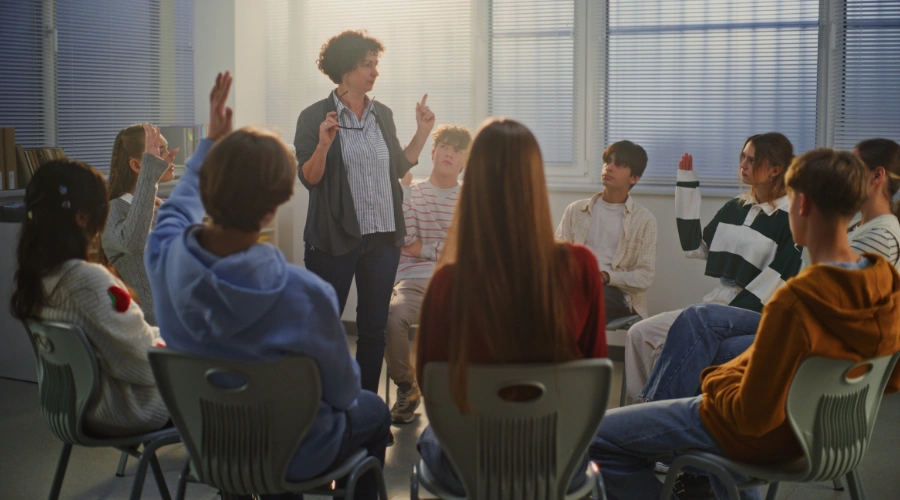
This is why your problem-solving skills matter so much in teen recovery. These structured, supportive activities can help teens practice making choices, communicating with others, and learning from mistakes in a way that makes them feel safe.
This resource from Artemis Adolescent Healing Center shows how we use hands-on problem-solving activities for teens and team-based projects to help teens build confidence, emotional regulation, and resilience that they can carry into everyday life.
Why Do Effective Problem-Solving Abilities Matter in Recovery?
Recovery is more than stopping substance use or mental health issues. The goal isn’t just to stabilize your symptoms. Rather, it’s about learning how to handle real-life situations.
Your problem-solving abilities give you confidence in your ability to overcome things without turning to old coping habits. This is true whether your habits were substance-related, self-harm, or something else.
Get Accredited Treatment Programs at Artemis
Group Problem-Solving Activities That Build Trust in Recovery
Activity: The Resource Challenge for Creative Thinking
Materials:
- Paper, tape, straws, or building blocks
- Timer
How it works:
Split teens into small groups and give each the same limited materials. Their task is to build a structure that can hold a small object (like a book or a bottle of soda) within 10 minutes.
Recovery focus:
Teens must communicate, divide roles, and adapt when plans don’t work. Facilitators observe how teens handle frustration, leadership, and collaboration. It’s useful for observing communication skills and how teens work together.
Processing questions:
- What helped your group work together?
- What happened when plans didn’t work?
- How is this similar to solving problems in recovery?
Critical Thinking Skills for Teens in Recovery
Activity: Scenario Swap for Teaching Problem-Solving Skills
Materials:
- Printed recovery-related scenarios
- Pens and paper
How it works:
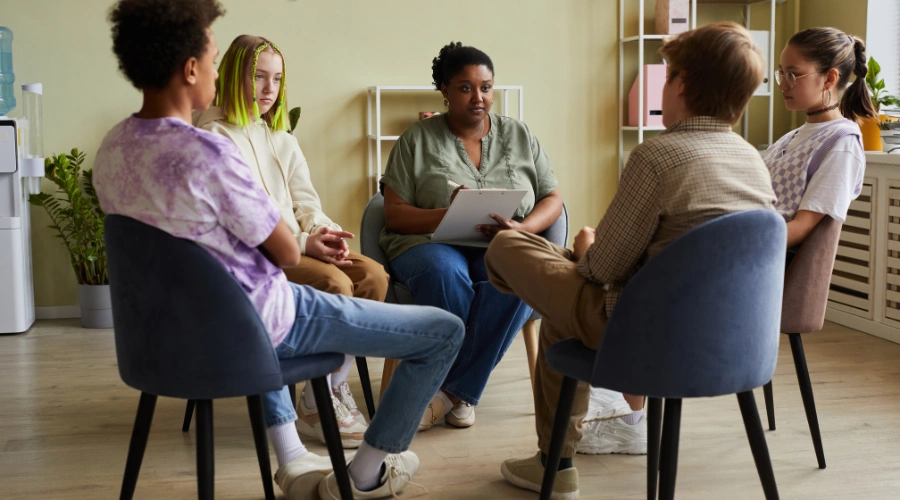
Each teen receives a scenario (peer pressure, conflict with parents, feeling triggered). They swap scenarios with a partner and brainstorm three innovative solutions together.
Recovery focus:
By working on someone else’s scenario, teens think more clearly. It reduces defensiveness. This builds critical thinking skills and helps teens solve problems from diverse perspectives.
Clients learn more about the problem-solving process and that sometimes, there is more than one solution that can be “right” when facing everyday challenges.
Processing questions:
- Which response felt the healthiest?
- What consequences did you consider?
- How could this apply to your own life?
Activity: The “What’s Missing?” Challenge
Materials:
- Printed short scenarios
- Pen and paper or a whiteboard
How it works:
Teens are given a recovery-related scenario that intentionally leaves out key information. (For example: “You’re invited to hang out after school, but something feels off.”)
In small groups, teens identify:
- What information is missing
- What questions would they ask
- What assumptions might they be making
Recovery focus:
Teens learn not to jump to conclusions, a common trigger for impulsive decisions. This builds critical thinking, emotional awareness, and collaborative problem-solving strategies.
Processing questions:
- How do assumptions affect decisions?
- How can asking questions protect recovery?
Creative Solutions Through Art-Based Recovery Challenges
Activity: Problem to Solution Art
Materials:
- Paper or poster board
- Markers, magazines, glue
How it works:
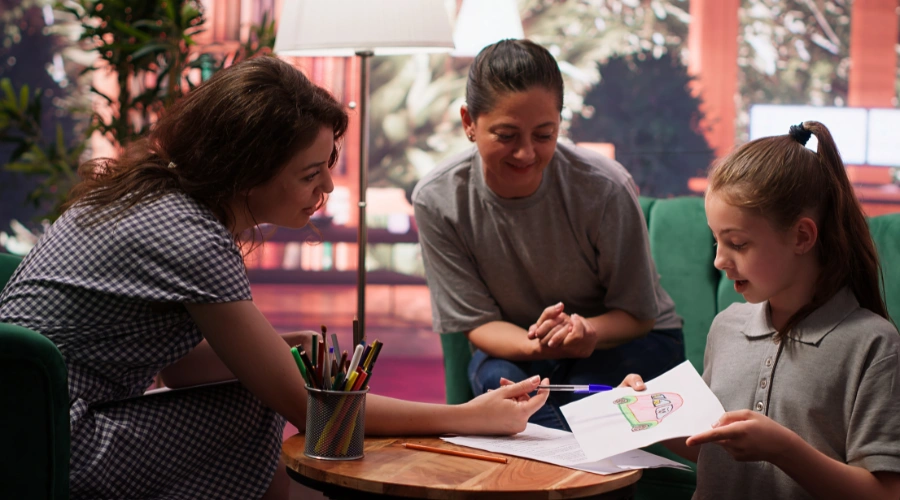
During this fun, problem-solving activity, teens create two visual representations:
- A challenge they face in recovery
- A visual of possible solutions or support
They do not need to explain in detail unless they choose to. This reduces some pressure and helps them stay in a creative mindset. Since they’re working alone, they can also address challenges and propose solutions for scenarios they’ve actually faced.
Recovery focus:
This activity helps teens with emotional expression without pressure to talk. It supports a creative problem-solving mindset and reduces anxiety.
Processing questions:
- What solutions stood out to you?
- Did anything surprise you about your artwork?
Decision-Making Activities That Help Teens Pause and Think
Activity: Decision Map for Real-World Problem Solving
Materials:
- Whiteboard or paper
How it works:
Present a scenario (for example, skipping a group, using substances, lying to parents). Teens map out:
- Their choice
- Short-term outcome
- Long-term outcome
Recovery focus:
Teens visually see how impulsive choices feel great in the short term, but create bigger problems later.
Processing questions:
- Which choice supports long-term recovery?
- How can you pause before reacting?
Activity: The Pause Button Drill
Materials:
- Timer
- Scenario cards
How it works:
Teens hear a scenario and must wait 60 seconds before responding. During the pause, they identify:
- The emotion they feel
- Urge they notice
- One healthier option
Recovery focus:
This reinforces impulse control and emotional regulation. It’s especially helpful for teens dealing with substance use or emotional dysregulation caused by mental illness.
Get Effective Detox and Rehab Options at Artemis
A Growth Mindset Activity for Teens Learning from Mistakes
Activity: Mistake Reflection Sheet
Materials:
- Reflection worksheet
Prompts include:
- What happened?
- What did I learn?
- What would I try next time?
Recovery focus:
This helps teens reframe setbacks as learning moments instead of failure. This reduces shame and relapse risk.
Activity: The “Yet” Exercise
Materials:
- Paper or whiteboard
How it works:
Teens write down statements they might say in their minds. For example:
- I can’t handle stress.
- I always mess things up.
Then they rewrite each statement using “yet”. For example, “I can’t handle stress yet.” “I haven’t learned how to do this right yet.”
Recovery focus:
This builds resilience and reframes negative self-talk. This is a major trigger for relapse or emotional shutdown for teens in recovery.
Processing questions:
- How did changing the wording affect how it felt?
- Where can you practice this outside of group (or therapy)?
Team-Based Problem-Solving Games for Effective Communication Skills

Activity: Blind Build
Materials:
- Building materials
- Blindfolds
How it works:
One teen is blindfolded and builds. The other group participants give them verbal instructions only.
Recovery focus:
This exercise teaches how to communicate effectively while promoting patience and trust. It also teaches active listening. These are all key elements of healthy relationships in recovery.
Real-Life Decision-Making Role Play for Middle School and High School Students
Activity: Real-Life Role Play
Materials:
- Scenario cards
How it works:
Teens act out realistic recovery situations. After each role play, the group discusses alternative responses. This exercise is great for teaching problem-solving and critical thinking.
Recovery focus:
Role play builds confidence and can encourage students (and young people in many contexts) to respond instead of react. It improves decision-making skills and promotes strategic thinking. What teens learn can later be applied to real-life situations.
Creative Problem-Solving Activities That Reduce Anxiety in Group Settings
Activity: Anonymous Brainstorm
Materials:
- Index cards
How it works:
The group facilitator reads a scenario. Teens anonymously write solutions to the problem. Then, cards are read aloud and discussed.
Recovery focus:
This activity teaches helpful problem-solving skills in an anonymous setting. It can remove the fear of judgment and encourage even quieter teens to participate in problem-solving strategies. Depending on the scenario chosen, this can also be used to support conflict resolution.
Creative Problem-Solving Skills to Support Emotional Regulation
Activity: Calm Then Solve
Materials:
- Grounding tools (like breathing cards or stress balls)
How it works:
Teens practice a grounding skill first, then problem-solve a scenario.
Recovery focus:
Teens learn that emotional regulation and critical thinking improve decision-making. They learn to pause for a moment, especially when solving complex problems, before making decisions.
This can be a useful tool when teens are at risk of relapse and help build essential skills that can help ‘play the tape through’ when it comes to making questionable decisions.
Up To 100% of Rehab Costs Covered By Insurance
Find a Range of Proven Solutions for Teen Recovery at Artemis
Your child’s recovery doesn’t happen all at once, and neither will their confidence bloom overnight. But each time a teen practices problem-solving, communicates through frustration, or learns from a mistake, they’re building strength they didn’t have before.
The essential life skills that come from problem-solving activities like these make a huge difference in recovery.
At Artemis Adolescent Healing Center, problem-solving activities are at the heart of what we do. They’re opportunities for teens to discover their ability to handle challenges, setting them up for future success.
If you would like proven support options for a teen or adolescent, please reach out confidentially to our caring staff for more information now.