

What Common Household Products Do Teens Use to Get High?
Important safety note for parents and caregivers: This article is for educational purposes only and is not medical advice, diagnosis, or treatment. It should not be used to determine whether a teen has a substance use disorder or to manage a possible poisoning or medical emergency without professional help. Exposure to inhalants, toxic household chemicals, alcohol-based products, or misused medications can become dangerous very quickly. If your teen has collapsed, is difficult to wake, is having a seizure, or is having trouble breathing, call 911 immediately. For possible poisoning or toxic exposure, call Poison Help at 1-800-222-1222. For immediate mental health crisis or substance use crisis support, call or text 988.
Many parents find themselves startled to learn that teenagers might use inhalants and other common household products to get high. From cough syrup to whipped cream cans, it might seem like nothing is safe.
Whether your teen is struggling with mental health, peer pressure, school stress, or internal struggles they don’t quite understand, often, turning to these substances is a sign they’re looking for an escape.
When you suspect your teen might be using household items as an alternative to substance abuse, it can be hard to know how to react.
This guide goes over why your teen might go this route and what household items teens get high on. We’ll review what to watch out for and when parents should reach out to Artemis Adolescent Healing Center in Tucson, Arizona, for help.
Find Effective Teen Treatment Programs at Artemis
Why Do Teens Turn to Household Items to Get High?
The teenage years are much more than growing taller and becoming more independent. Your teen is starting to find out who they are. They’re developing a new personality, trying new things, and often, making some mistakes along the way.
The teenage years aren’t easy, with social situations, stress from school, parents, and responsibilities, and big emotions being hard to deal with. Sometimes, this can lead to your teen looking for a quick fix or escape.
Depression and other disorders requiring mental health support often occur alongside substance experimentation or abuse. In this context, effective dual diagnosis treatment for teens is needed to address both substance abuse and the underlying causal issues.
Teens may misuse household products or over-the-counter items for different reasons, including curiosity, peer influence, stress, emotional distress, or attempts to change how they feel. That does not automatically mean a teen has a substance use disorder, but it does mean the behavior should be taken seriously.
A calm, nonjudgmental response and timely professional assessment can help families understand what is happening and what level of substance abuse treatment support may be appropriate.
What are the Signs of Inhalant Use Disorders in Teens?
Some signs of inhalant use disorder mimic typical teenage behavior. Your teen might isolate or stay out with friends, experience moodiness, or struggle concentrating. With inhalant use, chronic coughs, nosebleeds, and headaches can happen.
If they’re experiencing these symptoms, look for other signs. You might notice chemical smells on their clothing or breath. If they’re huffing paint, there will likely be paint on their fingers. Or, it may just seem that certain household items aren’t where you thought they were.
Common Types of Inhalant Abuse in Adolescents
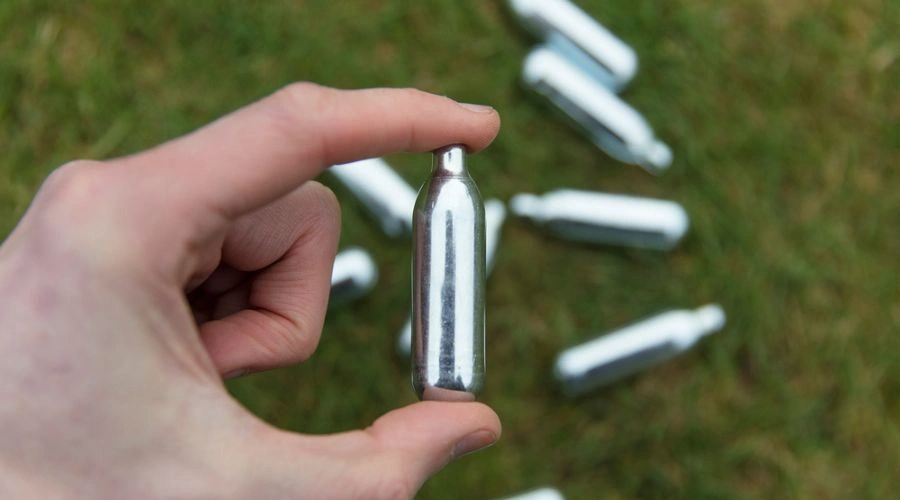
While some household products are more likely to be abused than others, any substance that gives off chemical vapors can get you high if inhaled. Everything from gasoline and solvents like paint thinner to nitrous oxide from whipped cream canisters and aerosols like air fresheners can be abused.
They produce a high that lasts only minutes, making it more likely your teen will keep abusing them. All these inhalants are also incredibly harmful to your child’s health.
Solvents
Solvents are a group that includes common household products like nail polish remover, paint thinner, gasoline, and degreasers. They’re easy for teens to find and easy for parents to overlook, making them one of the most commonly abused substances.
The high from solvents is fast and intense. Inhaling them can distort reality and cause dizziness and euphoria. Their effects can cause a sudden, dangerous drop in heart rate and oxygen levels, leading to loss of consciousness, seizures, coma, or death, even for first-time users.
Gasoline and Lighter Fluid
The chemical odors from gasoline or lighter fluid might also be inhaled by teens looking for a high. Huffing these volatile hydrocarbons can lead to disorientation and hallucinations. They leave your teen at risk of burns and fire-related injuries, in addition to organ damage with repeated use.
Whipped Cream
Many people are aware that nitrous oxide, or laughing gas, is routinely used in dental procedures. Did you know it’s also found in other products?
Some whipped cream chargers and similar nitrous oxide products may be misused by teens. What matters most for parents is not the exact product pathway but the safety risk. Misuse can lead to sudden confusion, impaired coordination, falls, fainting, or loss of consciousness.
If you notice unusual empty canisters, abrupt behavior changes, or signs of intoxication, treat them seriously and seek immediate guidance.
Glues, Adhesives, and Permanent Markers
Some common household, craft, and garage products release chemical vapors that may be misused by teens. Parents do not need step-by-step descriptions of the means of administration to recognize the risk.
Warning signs may include chemical odors, residue on the face or hands, missing products, sudden dizziness, confusion, headaches, nausea, or unusual behavior after time spent alone or in enclosed spaces. These exposures can be medically dangerous and may require urgent evaluation.
Air Fresheners, Cleaning Fluid, Other Aerosols
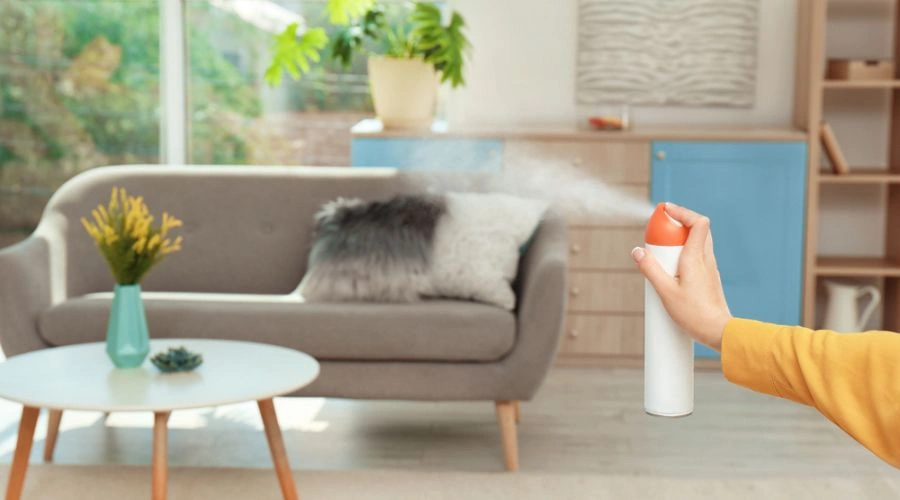
Nearly any aerosol sprays, from air fresheners to cooking sprays, can be abused by “huffing”. Huffing involves inhaling the fumes that come out of these aerosol cans, usually by spraying them on a paper or plastic bag and inhaling the fumes. Large doses produce a more intense, dangerous high. Teens might also inhale other cleaning products, like bleach.
The high feels like floating, accompanied by symptoms like loss of coordination, confusion, lightheadedness, and slurred speech. Inhaling aerosols can quickly become a problematic pattern, with the chemicals damaging your teen’s nervous system, lungs, and liver. High doses also have the risk of loss of consciousness and fatal overdose.
Air Duster
Air duster products are commonly used to remove dust from computer keyboards and other electronics. The canisters are filled with compressed gas that produces an intense high when inhaled. Air duster use can also cause frostbite burns, loss of consciousness, and heart arrhythmias.
Spray Paint
Inhaling spray paint might be referred to as “bagging”, since teens spray the paint inside a bag and then inhale it. The chemicals can build up in your teen’s brain over time, leading to neurological damage. There’s also a risk of suffocation or heart failure.
Other Household Items to Watch Out For
Huffing or inhaling toxic substances isn’t the only way that your teen might try to get high. Your kitchen, medicine cabinet, garage, and cleaning cupboard could all be hiding things that put your teen at risk.
Cough Syrups and Cold Medications
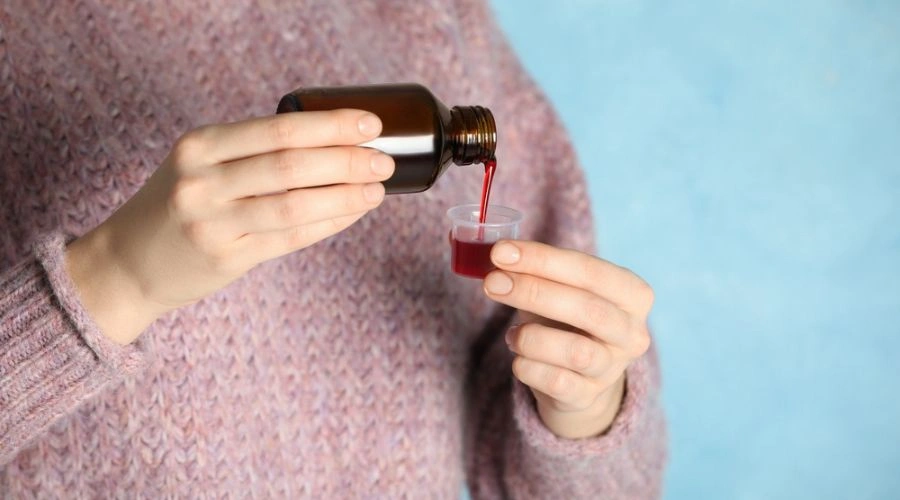
Some over-the-counter cough and cold products may be misused in amounts far above the labeled directions. Misuse can lead to confusion, nausea, vomiting, dissociation, poor judgment, and other dangerous effects.
Parents should watch for rapid changes in mood or behavior, missing medicine, or unexplained empty packaging. If misuse is suspected, store medications securely and contact a qualified professional for guidance.
Motion Sickness Pills
When taken as directed, drugs like Dramamine are helpful for motion sickness and nausea. In large quantities, though, motion sickness pills cause an irregular heartbeat, paranoia, and auditory and visual hallucinations. It takes a toxic dosage to get these effects, putting your teen at risk of kidney damage, seizures, and irreversible cognitive decline.
Nutmeg
This kitchen spice contains a compound called myristicin that has hallucinogenic effects in high doses. While teens might be after a high, swallowing spoonfuls of nutmeg or mixing it into drinks causes hours of hallucinations, dizziness, and nausea. The strain nutmeg puts on your body can lead to hospitalization and it has a “hangover” that lasts for days.
Hand Sanitizer
Germs are everywhere, and so is hand sanitizer, a product that kills bacteria using high concentrations of isopropyl or ethanol alcohol. With its potency, teens might use it to get drunk. It doesn’t take much and there’s a high risk of alcohol poisoning.
How to Talk to Your Teen About Possible Substance Use

If you suspect your teen is getting high, you might be wondering about the next steps. You don’t want to make accusations and push them away, but it’s also something that cannot be ignored.
Substance use is dangerous, and even though household products aren’t demonized in the same way as alcohol and drugs, they are incredibly dangerous.
Don’t talk to your teen right away or in the heat of conflict. Wait until you are calm, collected, and ready to approach them with empathy. Address your concerns or what you’ve noticed without judging them, and keep the conversation open. If you aren’t sure where to start, reach out to
Artemis Adolescent Healing Center has more tips on talking to your teen about substance use. Remember that early intervention does make a difference, and the steps that you take now can stop your child from dealing with substance use disorder in the future.
Our continuum of treatment programs offers JCAHO-accredited options, from inpatient treatment to PHP day programs, and flexible IOPs for adolescents to help support success in recovery.
When to Get Your Teen Help for Alcohol or Substance Misuse
Many parents of teenagers have found themselves wondering whether their teen is experimenting or if they are struggling with substance use disorder. A survey from the National Institute of Drug Abuse shows eighth graders, around age 14, are the biggest group, with 4% reporting inhalant use in the last year.
The easiest way to determine that is with a drug and alcohol assessment. At Artemis, screening for substance use disorder and mental health conditions is one of the first steps we take, ensuring that your teen gets help tailored to what they need.
Artemis offers resources for parents with questions about teen rehab, as well as tips for parents who have a teen in rehab in rehab currently.
When to Seek Immediate Help for Your Child
Seek emergency help right away if your teen has trouble breathing, collapses, has a seizure, cannot be awakened, or appears severely confused after possible exposure to a household chemical, inhalant, alcohol-based product, or medication.
For possible poisoning, call Poison Help at 1-800-222-1222. If the situation is not an emergency but you are concerned about ongoing substance use, mood changes, secrecy, or repeated risky behavior, arrange an assessment with a licensed pediatric, behavioral health, or addiction professional.
Artemis Accepts Many Forms of Private Insurance
Find Teen-Focused Support at Artemis in Tucson Today
It can be hard to navigate the challenges of parenting a teenager, so don’t go it alone. Artemis Adolescent Healing Center is here to help. Whether you have questions about talking to your teen or are looking to get them help, call us.
We can answer your questions and talk about the next steps to lead your teen toward recovery. All calls are confidential, so please reach out to get support and options today.
References
- American Psychiatric Association. (2013). Diagnostic and statistical manual of mental disorders (5th ed.). https://doi.org/10.1176/appi.books.9780890425596
- Carney, T., & Myers, B. (2012). Effectiveness of early interventions for substance-using adolescents: Findings from a systematic review and meta-analysis. Substance Abuse Treatment, Prevention, and Policy, 7, Article 25. https://doi.org/10.1186/1747-597X-7-25
- National Institute on Drug Abuse. (2024, September 18). Inhalants. https://nida.nih.gov/research-topics/inhalants
- Substance Abuse and Mental Health Services Administration. (2017). Understanding adolescent inhalant use. https://www.samhsa.gov/data/sites/default/files/report_3095/ShortReport-3095.html
- Wu, L. T., Pilowsky, D. J., & Schlenger, W. E. (2004). Inhalant abuse and dependence among adolescents in the United States. Journal of the American Academy of Child & Adolescent Psychiatry, 43(10), 1206–1214. https://doi.org/10.1097/01.chi.0000134491.42807.a3