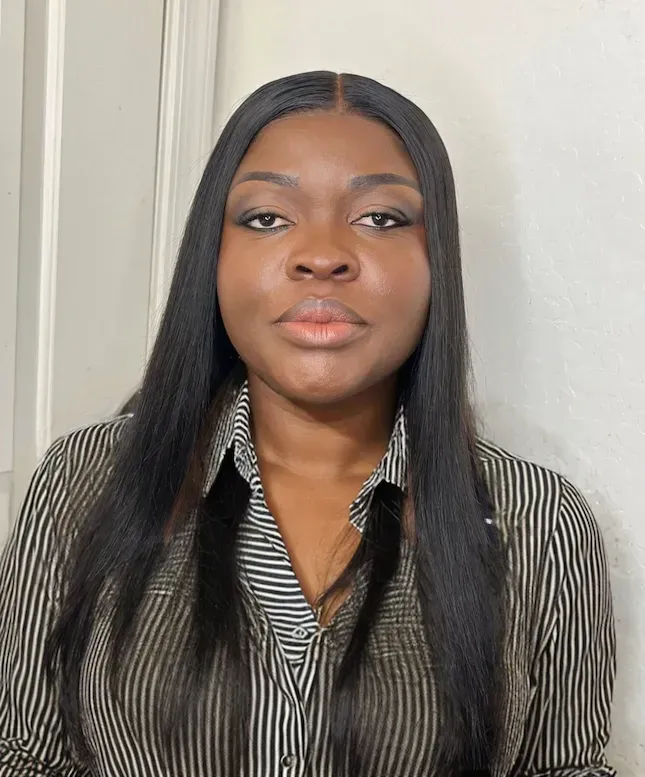


Clinically Reviewed By

Mabel Tobah is a Board-Certified Psychiatric Mental Health Nurse Practitioner (PMHNP-BC) with a Master of Science in Nursing from Walden University, who has a strong passion for providing patient-centered care.
Accreditations & Licensing
 Maiden Voyage LLC · 6599 N Oracle Rd, Suite B, Tucson · PHP and IOP site record
 Maiden Voyage LLC · Tucson · Adolescent residential site record
Read our Privacy Policy to learn how information may be used or disclosed and how to contact us about privacy.
Admissions
Call Admissions 24/7
Effective Partial Hospitalization Programs for Your Child at Artemis
When weekly therapy is not enough, a full treatment day can give your teen more structure while they continue living at home. Artemis PHP serves ages 12–17 with mental health concerns, substance use concerns, or both.
PHP runs Monday–Friday, 9 am–3:30 pm. Families attend at the Oracle Welcome Center in Tucson or use telehealth within Arizona. The adolescent program is separate from adult programming.
Call (520) 614-8647 to discuss your teen’s needs, the daily commitment and how your family would plan schoolwork alongside treatment.
Get Confidential Trauma and Mental Health Assessment
What is a PHP for Teens?
We should start with a simple and informative overview of PHP: what is a partial hospitalization program (PHP) and how can it help teens? Firstly, it is a supportive, highly structured day program for any individual, including teens and adolescents, with mental health challenges.
It combines different types of intensive mental health treatment services, such as the following:
- Therapies (like group therapy and family therapy)
- Counseling
- Medication management
- Other rehabilitation services (including recreational activities)
The main purpose of a partial hospitalization program (PHP) is to help the clients at Artemis build coping skills. It brings a team of healthcare professionals in touch with teens struggling with mental health issues.
PHP provides structured treatment during the day, with the teen returning home afterward. It takes more time than a weekly appointment or after-school IOP. It does not provide overnight supervision or hospital inpatient care.
Because the PHP day runs from 9 am to 3:30 pm, families need a school plan that fits outside treatment hours. There is no school instruction during Artemis PHP.
Why Choose a Partial Hospitalization Program for Teens?

PHP is an option when a teen needs intensive daytime support and can be supported safely at home outside program hours.
It can also be a next step after residential care. Admissions and the clinical team consider symptoms, safety and family support when deciding whether it fits.
Balanced Treatment With Real-World Application
Living at home gives your teen opportunities to practice communication and coping skills with family between treatment days.
PHP still requires a substantial weekday commitment. We help you understand that commitment before admission so your family can plan treatment, schoolwork and home routines.
Helps With Essential Coping Skills for Better Mental Health
A PHP day gives teens time to learn about emotions and practice coping skills. The team works with your teen on understanding feelings and responding to everyday challenges.
They get the opportunity to understand mental health challenges through individual therapy or group therapy sessions. What these therapies do is teach how human behavior is influenced by a range of emotions. These include stress, anxiety, depression, and relationship conflicts – along with how they impact a person’s behavior and well-being.
Works With Evidence-Based Therapeutic Techniques
Another major reason why treatment programs like partial hospitalization work is that they use evidence-based treatment methods. Take Artemis, for instance, which includes a variety of therapeutic treatment options in the plan.
Consider this: your teen struggles with mental health challenges like depression and anxiety. The professionals at Artemis don’t skip teaching “how to handle such emotions,” but rather focus on educating and informing the clients.
They use different outpatient treatment methods, like individual therapy and cognitive behavioral therapy (CBT). The purpose? To teach how emotions emerge and how they are processed. These therapies, including others like dialectical behavior therapy (DBT), also teach youths how to respond in difficult situations.
Residential Treatment and PHP for Adolescents

Residential care and PHP serve different needs. The decision starts with how much support your teen needs during treatment and outside program hours.
| Question | Residential at Artemis | Artemis PHP |
|---|---|---|
| Where does my teen sleep? | At an Artemis home in Tucson or Surprise | At home |
| When is care provided? | Structured residential routines with awake staff overnight | Monday–Friday, 9 am–3:30 pm |
| How does school work? | Three hours of Ombudsman virtual school each weekday | Schoolwork outside program hours; no school during PHP |
| How long is typical? | 60–90 days | About four weeks |
| Is this hospital care? | No; behavioral health residential care | No; day treatment without overnight stays |
Family involvement matters at both levels. Your teen’s clinical needs guide the plan, including whether PHP or residential treatment is appropriate.
Get Accredited Treatment Programs at Artemis
Who Can Benefit from PHP Treatment for Teenagers?
PHP may support teens with mental health concerns, substance use concerns, or both when that level of care is appropriate. Artemis serves teens ages 12–17. Families can contact our team to learn about PHP and discuss their teen’s needs.
Treatment plans address concerns such as:
- Co-occurring eating-related concerns in medically stable teens
- Obsessive-compulsive disorder (OCD)
- Substance use disorders
The conditions can vary from person to person, and in the case of teenagers (or adolescents) who are still developing, it could be a mix of health issues.
Our PHP can provide them with the flexible support and guidance they need to navigate these issues and develop healthier ways of managing them.
What Happens During a Teen PHP Day Program?

You should also know that your child will be engaging in many recovery activities when they enroll in a teen PHP program. They will be part of a comprehensive care system, allowing them to take part in recreational activities.
These will most likely take place in both individual and group settings to help them heal both within themselves and with the support of others.
PHP: Care by Day, Home Each Evening
- Program hours
- 9 am–3:30 pm
- Program days
- Monday–Friday
- Typical course
- About 4 weeks
During the program day
Outside program hours
Family participation
Planning what comes next
Therapy Sessions
From individual therapy to group therapy sessions, the approach of Artemis professionals will instill a sense of learning in your child.
They will help them explore their emotions and understand how to respond to personal struggles in healthy and productive ways.
Family Therapy
Moving on, the treatment plan will include family members and group counseling meetings.
This is encouraged because it not only helps address underlying issues like difficult family dynamics but also helps children rebuild communication and emotional bonds with their loved ones.
Educational Planning
PHP occupies the school day, so schoolwork is completed outside program hours. The Family Advocate helps coordinate communication about your teen’s educational needs.
Before treatment begins, discuss the school arrangement with Admissions and your teen’s school.
Medication and Psychiatric Support
Psychiatric visits are provided by telehealth, with medication decisions made by the prescriber as part of the treatment plan. Artemis does not provide withdrawal management.
Teens who need detox complete it with a partner facility before entering treatment, with referral coordination from the team.
Where PHP Takes Place
In-person adolescent PHP is at the Oracle Welcome Center in Tucson.
Telehealth is available to Arizona residents, including Surprise-area families. Surprise-area outpatient care currently uses telehealth.
What Are the Typical Benefits of Our PHP for Teens at Artemis?

So, what are the benefits of a PHP or an intensive outpatient program (IOP) for teens?
Take a look below to understand what our experts have to say about it.
Structure and Routine
It will give your teen a structured environment that will have experienced, knowledgeable professionals working with them.
From developing healthy habits to creating new routines, we will be here to assist throughout your child’s stay.
Supportive Community
Teens connect with peers in adolescent programming and practice communication and coping skills together.
That community supports the work in each teen’s treatment plan.
Ongoing Support
The team plans continuing care with your teen and family.
The plan includes treatment options and relapse-prevention support that fit the next stage of recovery.
How Long Does PHP Usually Last?
Artemis PHP typically lasts about four weeks. Your teen’s progress and family needs guide the next step, which can include after-school IOP or outpatient appointments.
The team discusses that transition with your family during treatment.
Ask Admissions About PHP Benefits and Costs
Get Structured Support for Your Child at Our PHP Day Program
So, should you choose a teen partial hospitalization program for your child? Will the program cater to different insurance plans? Does it offer more intensive support for substance abuse disorders?
There are so many questions, but there are answers too. We can help you understand all of them with a quick and confidential call. From life skills training to exploring community resources, Artemis can be the place where your child finds all the therapeutic activities they need. In a supportive environment, they can learn the importance of mental health treatment.
To learn how a PHP day program differs from overnight residential treatment, contact Artemis and discuss your teen’s needs.
Are you ready to learn more and share useful information with your loved ones? Find specialized care and support at Artemis by giving us a call today.
FAQs About Partial Hospitalization Programs for Teens
What is a PHP for teens?
Artemis PHP is a day treatment program for teens ages 12–17 with mental health or substance use concerns.
It runs Monday–Friday, 9 am–3:30 pm, at the Oracle Welcome Center in Tucson or by telehealth for Arizona residents. Teens live at home. Schoolwork takes place outside PHP hours. A typical course is about four weeks.
How is PHP different from residential treatment?
Residential treatment includes overnight care. Artemis PHP runs Monday–Friday, 9 am–3:30 pm, while teens live at home.
Residential care includes scheduled school; PHP schoolwork is completed outside program hours. The team considers your teen’s safety needs, symptoms and family support when recommending a setting.
Can PHP help with both substance use and mental health concerns?
PHP may support teens with substance use, mental health concerns, or co-occurring conditions when that level of care is clinically appropriate.
Treatment recommendations should be based on a full assessment of symptoms, safety, substance use patterns, family needs, and prior treatment history.
Does insurance cover PHP for teens?
Call Artemis Admissions to confirm your teen’s PHP benefits and discuss treatment costs, school planning and self-pay options.
We will help you understand the next step for your family.
Authoritative source
For a federal overview of behavioral-health treatment settings and services, see the Substance Abuse and Mental Health Services Administration guide to treatment types. A clinical assessment is needed to determine an appropriate level of care. SAMHSA overview of treatment types.
Related resources: Artemis Adolescent Healing Center, traditional outpatient therapy, levels of behavioral health care, Depression, Anxiety disorders, Trauma, Eating disorders.
References
- Mental health of adolescents. https://www.who.int/news-room/fact-sheets/detail/adolescent-mental-health
- Treatment Types for Mental Health, Drugs and Alcohol. https://www.samhsa.gov/find-support/learn-about-treatment/types-of-treatment