

PTSD can involve persistent distressing memories, avoidance and changes in mood or alertness after trauma. A clinical evaluation considers symptoms, daily functioning and treatment needs.
Artemis provides individualized care for teens ages 12–17 through residential treatment, PHP, IOP and outpatient options. The plan can include trauma-focused therapy, caregiver participation and psychiatric support when indicated. Admissions is available 24/7 to discuss assessment and the appropriate level of care.
Clinically Reviewed By

My name is Laura Tyndall, and I am a Psychiatric Nurse Practitioner & Licensed Clinical Social Worker who is proud to serve as Clinical Director at Artemis Adolescent Healing Center.
Accreditations & Licensing
 Maiden Voyage LLC · 6599 N Oracle Rd, Suite B, Tucson · PHP and IOP site record
 Maiden Voyage LLC · Tucson · Adolescent residential site record
Read our Privacy Policy to learn how information may be used or disclosed and how to contact us about privacy.
Admissions
Call Admissions 24/7
Support for Teens Affected by Trauma
After a traumatic experience, some teens have distressing memories, avoid reminders or notice changes in mood, sleep and alertness. When these reactions persist or interfere with daily life, a clinical evaluation can help clarify what is happening.
Artemis works with adolescents ages 12–17. Assessment considers symptoms, safety, functioning and co-occurring concerns, then guides an individual plan. NIMH explains PTSD and treatment.
Get Confidential Trauma and PTSD Assessment
Effective Teen PTSD Treatment at Artemis Adolescent Healing Center
Residential behavioral health treatment in Tucson and Surprise typically lasts 60–90 days. PHP in Tucson runs Monday–Friday, 9 am–3:30 pm, with schoolwork planned outside treatment hours.
IOP program hours are Monday–Friday, 4–7 pm. OP appointments are arranged individually, and direct entry is available when assessment indicates it is appropriate. Compare the care options.
- Residential behavioral health care in Tucson and Surprise, typically 60–90 days.
- PHP in Tucson: Monday–Friday, 9 am–3:30 pm; schoolwork outside treatment hours.
- IOP program hours: Monday–Friday, 4–7 pm.
- OP: individually arranged appointments, including direct entry when indicated.
- Continuing-care planning connects treatment with daily routines and support.
Trauma-Focused Care Matched to Your Teen

The plan may draw on TF-CBT, EMDR, DBT skills and other approaches when indicated. EMDR is available in Tucson and Surprise, and a CPT-trained clinician is available in Surprise.
Caregivers who can help the teen and family may participate in clinical family sessions in person or by video. Pillars offers a separate source of support open to all caregivers. Clinicians help connect treatment goals with coping and communication in daily life. Families can discuss the approach and pace with the treatment team.
Cognitive Processing Therapy (CPT)
CPT addresses trauma-related thoughts and beliefs, helping clients examine their meaning with a clinician.
A CPT-trained clinician is available in Surprise. The approach and course of care follow the teen’s individual treatment plan.
- Providing psychoeducation on PTSD and trauma.
- Helping individuals identify automatic thoughts that may present as a result of their PTSD symptoms.
- Helping individuals question and change negative thoughts or beliefs (e.g., “I’m hopeless”) stemming from PTSD.
- Facilitating behavior change.
Trauma-Focused Cognitive Behavioral Therapy
Trauma-focused cognitive behavioral therapy (TF-CBT) is an effective treatment for PTSD.
In TF-CBT, teens may work on reducing trauma-related symptoms through coping skills and cognitive reframing, enhancing future development and safety through things like setting boundaries, establishing a positive sense of self, and learning to express and regulate emotions healthily.
Dialectical Behavior Therapy

Dialectical behavior therapy (DBT) is a non-invasive behavioral therapy stemming from CBT. It can help with:
- Emotion regulation.
- Interpersonal effectiveness.
- Mindfulness and coping skills.
- Distress tolerance.
The skills teens learn in DBT can be used for life, and many find that it is a very powerful and beneficial form of treatment.
Family Therapy Sessions
Caregivers who can help the teen and family may participate in clinical family sessions in person or by video. Pillars offers separate support open to all caregivers.
Family work can support communication and understanding of the teen’s treatment goals.
Eye Movement Desensitization and Reprocessing (EMDR)
EMDR is a trauma-focused approach selected according to clinical assessment. A clinician guides the work and discusses how it fits the individual plan.
EMDR is available in Tucson and Surprise. Ask the team how the proposed approach connects with your teen’s needs.
Get Accredited Treatment Programs at Artemis
Signs of PTSD in Children and Adolescents
Kids, teens, and adults can develop PTSD after experiencing, directly witnessing, or being exposed to a traumatic event. Knowing the signs of PTSD may help you identify it in yourself or an adolescent in your care. Among other criteria, signs and symptoms of PTSD include:
- One or more intrusion symptoms: Ongoing, involuntary, and distressing memories of the traumatic event, dissociative reactions (e.g., flashbacks) where they feel as though the event is occurring again, bad dreams, intense emotional responses when met with reminders of the event, or physical symptoms (e.g., increased heart rate, sweating, shaking, trouble breathing) when met with trauma reminders.
- At least one avoidance symptom: Avoiding stimuli (e.g., people, places, things) that remind them of the traumatic event or avoiding distressing memories, thoughts, and feelings related to the traumatic event.
- Two or more alterations in arousal or reactivity: Sleep disturbance, reckless or self-destructive behavior, hypervigilance, irritability or angry/aggressive behaviors, trouble concentrating, or an exaggerated startle response.
- Two or more mood and cognition-related symptoms: Trouble experiencing positive emotions, inability to remember key features of the event, ongoing and exaggerated negative beliefs about oneself, others, or the world, disproportionate blame toward oneself or others, feelings of detachment or estrangement, diminished participation in important activities (e.g., hobbies, school), or a persistent negative emotional state (e.g., anger, suicidal thoughts, depression, horror, guilt, fear, or shame).
Young children may experience some symptoms differently. PTSD is diagnosed using the criteria in the Diagnostic and Statistical Manual of Mental Disorders (DSM). A mental health professional at Artemis can conduct a confidential evaluation to identify PTSD symptoms in teens as needed.
Effects of Untreated Trauma on Children and Teens
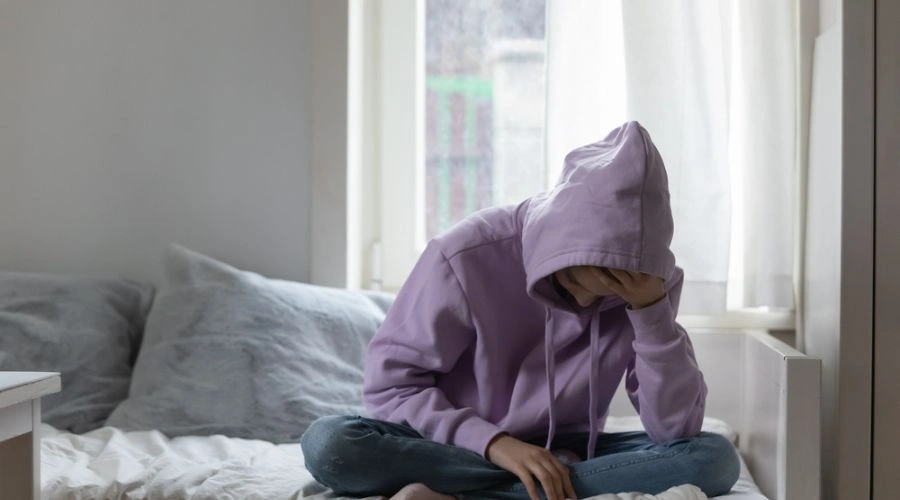
Often, there are misconceptions about teenage PTSD and trauma. One of the biggest misconceptions is that a teen’s trauma will–or should–disappear or stop affecting them with time alone. In reality, those who experience emotional and physical symptoms will often continue to experience these symptoms if they go unaddressed; they may even worsen over time.
On the other hand, getting treatment for past trauma has been shown to reduce PTSD symptoms. Untreated childhood trauma may also lead to effects such as:
New or Worsened Symptoms of Other Mental Health Disorders
Many people with PTSD also have other mental disorders. There are several reasons for this, such as the fact that traumatic events can predispose you to mental health issues other than PTSD. For example, anxiety disorders like generalized anxiety disorder (GAD), mood disorders like depression, and substance use disorders are all associated with trauma.
Programs like ours treat co-occurring disorders while addressing underlying trauma. By addressing the needs of each client individually and comprehensively, we promote positive treatment outcomes.
Negative Impacts on Daily Life and Self-Esteem
Post-traumatic stress disorder can affect the way you feel about yourself, others, and the world.
This can affect various aspects of everyday life, including social relationships and functioning, hobbies, self-care, and responsibilities like school.
Impaired Performance at School
While it is not always the case, children and teens with PTSD can be more prone to some problems with school performance.
These include but are not limited to a lower grade point average, a greater chance of dropping out of high school, and more absences.
Continued PTSD Symptoms in Adulthood
Trauma-related symptoms may continue over time, and a teen does not need to wait for adulthood to seek support.
Assessment can help identify current goals, appropriate therapy and support at home and school.
How Kids and Teens Develop PTSD
PTSD may develop after exposure to a traumatic event. Responses differ, and a stressful experience alone does not establish the diagnosis.
A clinician evaluates the event, symptoms, duration and daily impact. Share relevant experiences and support needs during assessment.
- Experiencing or witnessing serious violence.
- Sexual violence or physical abuse.
- A serious accident or disaster.
- Other traumatic experiences evaluated in their clinical context.
Connect Treatment With Home and School

The Family Advocate can help families coordinate schoolwork, including PHP school planning outside treatment hours. Caregiver participation and continuing-care planning connect the teen’s goals with daily routines and support.
Parents may choose follow-up outreach after any level of care. An Artemis representative typically calls; parents may choose text or email instead. Call Admissions 24/7 at (520) 614-8647 to discuss the free pre-screening and clinical assessment, care options and your benefits.
Many Forms of Insurance Accepted for Treatment
FAQs About PTSD in Teens
What is PTSD in teens?
PTSD can develop after a teen experiences or witnesses a traumatic event. Symptoms may include intrusive memories, nightmares, avoidance, anxiety, irritability, emotional numbness, hypervigilance, sleep problems, or changes in behavior.
A qualified assessment is needed to determine whether PTSD or another concern is present.
How is PTSD different from general trauma symptoms?
Many teens have distress after trauma, but PTSD involves a specific pattern of symptoms that persist and interfere with daily life.
A mental health professional can evaluate symptoms, duration, safety concerns, functioning, and co-occurring issues to determine the most appropriate diagnosis and treatment plan.
Can PTSD in teens occur with depression, anxiety, or substance use?
Yes. PTSD can occur alongside depression, anxiety, self-harm, substance use, school problems, or relationship difficulties.
Treatment should assess co-occurring concerns so the teen receives support for trauma symptoms and any related mental health or substance use needs.
What treatment options may help teens with PTSD?
Treatment may include trauma-informed therapy, coping-skills development, emotional regulation support, family involvement, and structured behavioral health care when needed.
The right approach depends on the teen’s symptoms, safety needs, readiness, treatment history, and clinical assessment.
PTSD Care: Connect the Level With the Plan
Assess needs
Choose the setting
Build the plan
Support daily life
Questions About Treatment
Does every teen with PTSD need residential treatment?
No single level fits every teen. Assessment considers symptoms, functioning, safety and available support.
Artemis offers several levels, including direct-entry outpatient care when appropriate. Call Admissions 24/7 at (520) 614-8647 to discuss the free pre-screening and clinical assessment, care options and your benefits.
Can caregivers participate in trauma treatment?
Caregivers who can help the client and family may participate in clinical family sessions in person or by video.
The individual plan guides how therapy and family support connect. Pillars is also open to all caregivers.
Related Treatment and Family Resources
Explore these related resources alongside your teen’s assessment and care plan.
Artemis Adolescent Healing Center · trauma treatment for teens and adolescents
References
- https://www.apa.org/ptsd-guideline/treatments/cognitive-processing-therapy
- https://pmc.ncbi.nlm.nih.gov/articles/PMC4396183/#S12
- https://www.ncbi.nlm.nih.gov/books/NBK207191/box/part1_ch3.box16/
- https://www.ptsd.va.gov/professional/treat/specific/ptsd_child_teens.asp#five
- https://www.apa.org/ptsd-guideline/treatments/medications