
Aftercare Strategies and Preventing Cutting Relapse Behaviors in Teens and Adolescents
If you have arrived at our resource, it is likely already known that relapse prevention is an important part of treating self-harm. But what is the process of preventing relapse when it comes to self-harm in teens?
To be concise, it involves identifying strategies teenagers can use to redirect self-harm urges and maintain their safety. Specifically, after initial recovery is achieved or after treatment is over.
Recovery isn’t linear. Urges can get more intense at different times in a person’s life. Having relapse prevention strategies available is vital. With this acknowledged, what are some effective self-harm and cutting relapse prevention approaches for teens?
Artemis Adolescent Healing Center provides effective treatment for self-harm and underlying mental health conditions. Let’s go over some strategies you or your teen can use to prevent self-injury, as well as the role of aftercare and continued treatment.
Get Accredited Treatment Programs at Artemis
What are Considered Effective Cutting Relapse Prevention Approaches for Teens?
Self harm can take different forms. These relapse prevention approaches can be used for teens who are struggling with a number of harmful behaviors.
Recognizing Self Harm Urges and Warning Signs
The first step toward prevention, for many teens, is understanding when they are at an increased risk. When you feel an urge, name it: “I am feeling an urge to self-harm right now.” Don’t judge yourself for the urge. Just notice it. Then, use a strategy like those listed below.
It can also be beneficial to identify the things that could increase your vulnerability to self-harm urges. For example, emotional distress. This can include ‘negative’ feelings, like feelings of depression or low self-worth. It could also be anxiety or a feeling of being overwhelmed.
That way, you can increase self-care and support as needed during these times.
Thought Reframe (Cognitive Reframing)
Cognitive reframing is a common tool taught in cognitive behavioral therapy (CBT). CBT is one of several frequently used, effective treatments for self injurious thoughts and behaviors in youth.[1] It’s one of the therapies used at our center.
To use thought reframe, identify an unhelpful, automatic thought (e.g., “things can’t get better,” “I need to self harm.” Then, challenge it with “in reality, I do not know what the future looks like. Things can get better,” or “I don’t need to act on that right now. Let’s try something else instead.”
This is best applied alongside other strategies and ways of implementing effective mental health tips. It’s a way to help yourself notice the thought and target the need for extra self-care and support rather than feel shame about, act on, or feel overwhelmed by urges.
Changing Your Environment

Getting to a place where tools you use to self-harm are not present is often a core part of preventing self-injurious behaviors. Making these things inaccessible to you or your teen, if you are the parent, is vital.
Creating comfortable surroundings can also be helpful. When you’re overwhelmed, there are sensory components that might help. For example, soft blankets, comfy clothes, and music that you like. There are also things that might make it worse, like loud noises.
Everyone is different. What makes one person feel better in their body and environment won’t necessarily be what works for someone else. It’s okay if it takes trial and error–for example, turning music, white noise, or podcasts off and on–to find what works in the moment.
Mindfulness and Grounding Techniques
Mindfulness and grounding techniques help you get and stay present. For example:
- Breathing exercises.
- Progressive muscle relaxation.
- Body scan.
- Meditation.
The “5 4 3 2 1” exercise is another common grounding technique. You may have heard of this one before. Identify five things you can see, four things you can touch, three things you can hear, two things you can smell, and one thing you can taste.
Using Positive Distractions
It can be helpful to make a list of positive distractions that are accessible to you:
- Reading
- Puzzles and games
- Watching movies or TV
- Listening to podcasts or music
- Coloring books and art projects
- Nature walks
The mindfulness and grounding techniques we covered make great distractions, too. They give you something to focus on while supporting nervous system regulation.
Seek Social Support
Talking to someone or surrounding yourself with people – asking not to be alone, even if you don’t necessarily talk about what’s going on – can be beneficial when you feel the urge to self-harm.
You could:
- Seek support from loved ones (e.g., a family member).
- Call or text a free hotline.
- Go to a walk-in crisis center.
We will list free hotlines and Arizona crisis centers toward the end of this page, and our guide on how to talk to teens about cutting can be useful for both parents and children alike.
Why Does Teen Self Harm Relapse Happen? Understanding Self Harm Characteristics
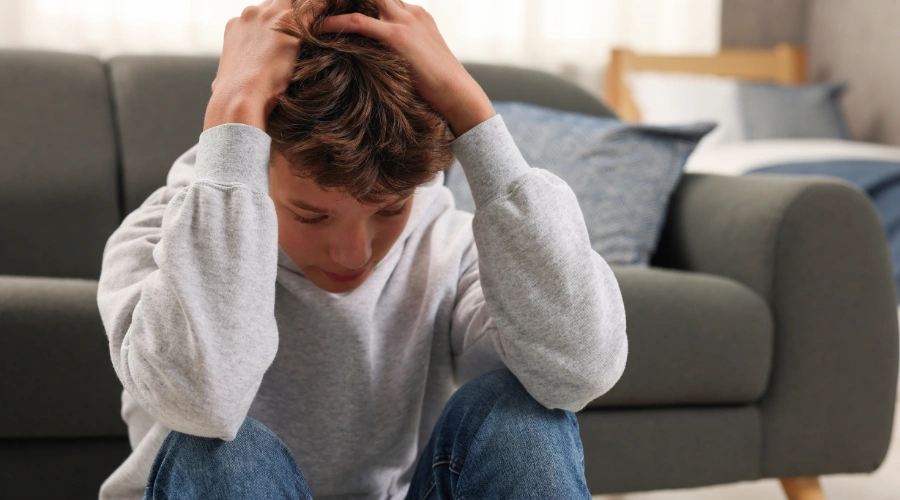
We talked briefly about identifying urges. Why do self-harm urges happen? For many, self-harm is a way to turn emotional pain into physical pain. It can be a method of release. Or, it can be a way to punish oneself.
If you have stopped self-harming before, you might wonder why you’re having an increase in urges now. Some common triggers for relapse include:
- Overwhelming emotions.
- Stress and/or life transitions.
- Increased symptoms of a mental illness. For example, depression, post-traumatic stress disorder, or anxiety disorders.
- Exposure to triggers (e.g., seeing specific objects that one uses to self-harm, seeing someone else engage in self-harm behaviors, hearing about self-harm).
Everyone is different. For this reason, exploring why you self-injure is often key in treatment. Finding healthier coping mechanisms that work for you as a unique person is also an important part of treatment.
When teens relapse, seeking help is vital. Self-harm relapses can be part of the recovery process for some people. We’ll help your teen identify the reason(s) behind a relapse and learn new coping skills. That way, they feel more prepared moving forward.
When to Seek Treatment for Self-Harm Behaviors and Urges to Self Harm in Adolescents
How do you know if you should seek treatment for self-harm behaviors or urges to self-harm? Here are just a few indicators.
- You have persistent urges to self harm.
- You are in an active self-harm relapse or have recently used self injurious behaviors.
- You have emotional pain or feelings of overwhelm and anxiety that you don’t know what to do with.
Parents can also look out for warning signs of self-harm in teens and learn what to do about them.
What are the Warning Signs of Teen Self Injury? Learn How Family Members Can Help
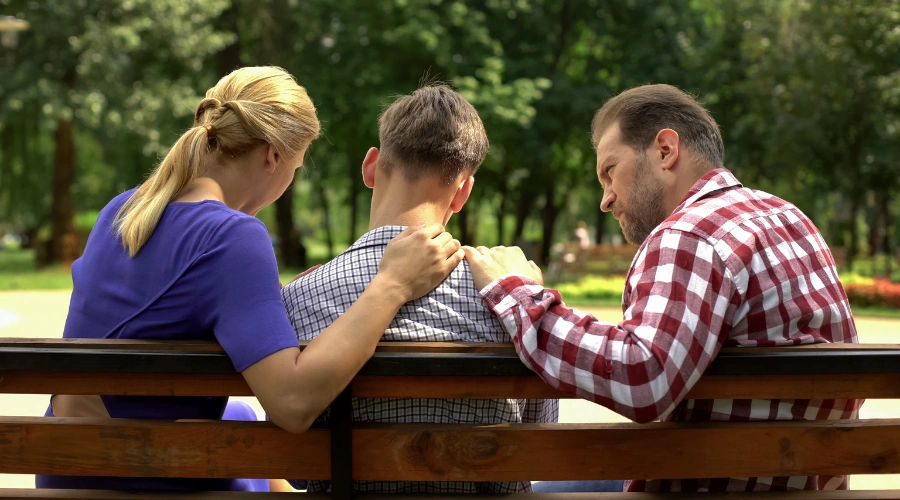
There are different modes of self-injury. It could be cutting or burning. Or, it could involve other behaviors, like burning. The way someone self-harms could influence what the signs look like. That said, common symptoms and warning signs of self harm include:[2]
- Wearing long sleeves, even in hot weather
- Unexplained burns, cuts, bite marks, or bruises.
- Finding tools used to self-harm in one’s personal belongings.
- Frequent reports of accidental injury (especially if one is trying to explain repeated external signs of self-injury, like cuts, bruises, or broken bones).
- Emotional or behavioral instability and unpredictability.
Self-injury is more common in teens and young adults than it is in those aged 25+.[3] It can be a sign of underlying mental health concerns. It is not anyone’s fault. The best thing that you can do is stay calm, show compassion, and seek support from a mental health professional.
Our Self Harm Treatment Options at Artemis
Artemis Adolescent Healing Center provides inpatient and outpatient treatment for teen self-harm. We have a full continuum of care available, including:
- Residential inpatient treatment.
- Partial hospitalization programs (PHP day programming).
- Intensive outpatient programs.
- Outpatient programs.
Aftercare planning is an essential part of teen self-harm treatment. Outpatient programs are often used as a mode of aftercare. They can involve therapy as often as 5-6 days per week or as little as 1-2 days per week.
While we provide self-harm treatment and address the underlying causes of self-harm urges, we are not a crisis center.
Choose Artemis for Self Harm Treatment and Aftercare Support

Artemis Adolescent Healing Center is a JCHAO-accredited behavioral health center for youth. We use evidence-based treatments for self-harm and its underlying causes. Our programs are covered by most insurance plans, increasing access to care for teens and families.
Whether your teen needs outpatient support and aftercare for self-harm relapse and prevention or an inpatient program, we’re here to help. We are located in Tucson, but we serve youth in families in a wide range of areas.
Call our confidential admissions line today.
Many Forms of Insurance Accepted
Crisis Resources for Teen Self Harm and Mental Health
When you’re in outpatient therapy or an aftercare program, you might not always have a therapy appointment scheduled when you need it. Whether you need mental health stabilization or someone to talk to, here are some local and national resources you or your teen can use.
Call and Text Crisis Line: 602-248-8336 (TEEN)
Southern Arizona, Call: 520-327-8336 (TEEN)
Available for calls 24/7/365
Text and peer counseling is available from 3 PM to 9 PM daily
Connections Tucson (Walk-In Crisis Response Center)
(520) 301-2400
2802 East District Street
Tucson, AZ 85714
Open 24/7/365
MIND 24-7 provides 24/7 walk-in crisis and emergent care. They have locations in Mesa and Phoenix and can also be reached at 1 (844) 646-3247.
Mesa:
1138 Higley Road
Mesa, AZ 85206
Phoenix:
10046 N Metro Parkway W.
Phoenix, AZ 85051
Arizona Statewide Crisis Lifeline
Call 1-844-534-HOPE (4673).
Text 4HOPE (44673).
Call or text 988.
Text “HOME” to 741741.
The Trevor Project is for LGBTQ+ youth aged 24 and under.
Call 1-866-488-7386.
Text “start” to 678-678.
Or, chat online via their website.
Starting the conversation with someone at a hotline can be as simple as saying, “Hey, I have a history of self-harm. I am safe, but I need someone to talk to,” or “I am worried about my teen.”
References
- Bettis, A. H., Liu, R. T., Walsh, B. W., & Klonsky, E. D. (2020). Treatments for self-injurious thoughts and behaviors in youth: Progress and challenges. Evidence-based practice in child and adolescent mental health. https://pmc.ncbi.nlm.nih.gov/articles/PMC7480822/
- What is self-harm?. SAMHSA. (2025, December 24). https://www.samhsa.gov/mental-health/what-is-mental-health/conditions/self-harm
- Self-injury (cutting, self-harm or self-mutilation). Mental Health America. (2026, April 7). https://mhanational.org/conditions/self-injury-cutting-self-harm-or-self-mutilation/